vip in the city, page 53

Still Spicy & Tasty

I’d been wanting to return to Flushing’s Spicy & Tasty since getting my first taste in November, and this Satuday I was finally able to round up a couple of friends to join me. The plan was set. That afternoon, SYB emerged briefly from quarantine for the occasion; unfortunately, though, HYB had to drop out at the last minute. So the two of us forged recklessly ahead, ordering dishes as if he were there with us… plus his three very hungry friends.

We briefly assessed the cold appetizer displays up front: dishes of tendon (or “tender” as it appeas on the menu), Chinese eggplant, shredded bean curd, smoked fish, tripe, seaweed, bamboo shoots, bitter melon, jellyfish…
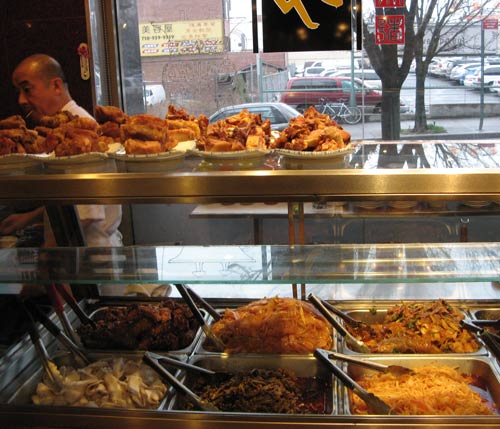
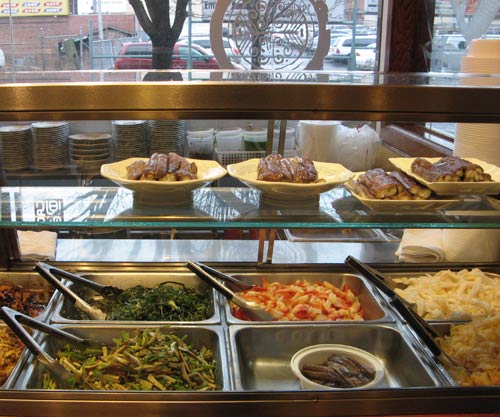
Spicy & Tasty Appetizers

Spicy & Tasty Appetizers

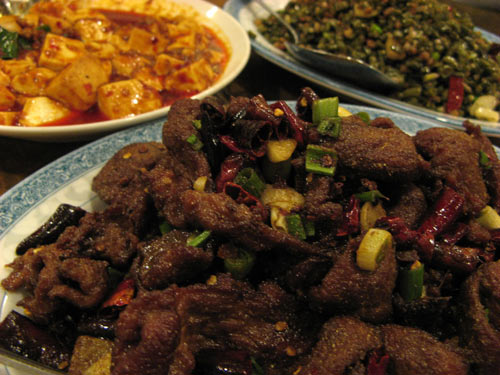
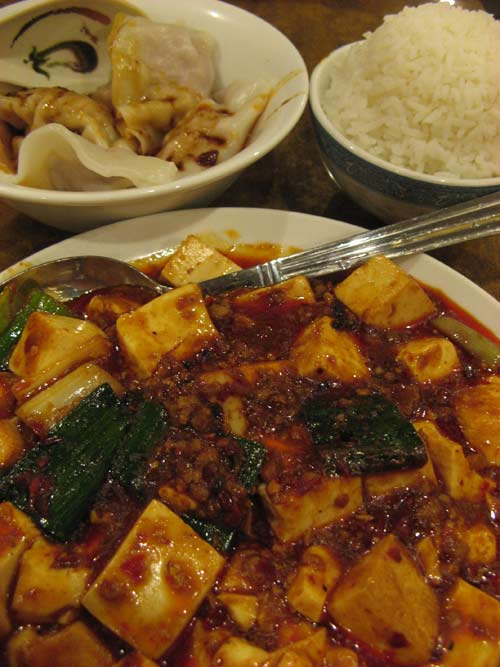
We could easily have made a meal of the cold offerings, but once seated, we decided to focus on the main dishes. Our meal began tamely with the Sesame Cold Noodles (which for once didn’t taste suspiciously of Skippy peanut butter) and the Steamed Dumplings in Red Chili Sauce. Soon, the other dishes began arriving, raising the heat level significantly. The Bean Curd Home Style (Ma Po Doufu), swimming in red-hot chili oil, Lamb with Chili Pepper (lots and lots of chili pepper) and Chinese String Bean with Minced Pork. We ran out of room on the two-top table! After some plate juggling, the server moved us to another, larger space across the room.

Beads of sweat formed on SYB’s brow, but he seemed to relish the food, which was, yes, very spicy and very tasty. The layered combinations of dried and fresh chilis, rice wine vinegar, sesame and chili oils, Sichuan and black peppercorns, scallions, ginger and garlic set our eyes and noses watering and tongues afire.
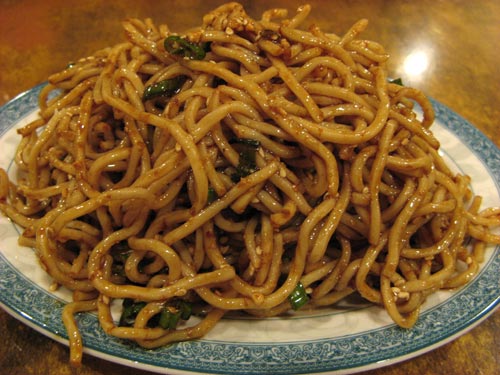
Sesame Noodles

Mapo Tofu

Lamb with Chili Peppers

Sichuan pepper (Zanthoxylum piperitum) is native to Northern China.  The species is not related to black pepper (peper nigrum), which is native to India. Sichuan peppercorns are, in fact, not peppers at all, but the burr-like casings of Chinese prickly ash tree berries. In 1968, the peppercorns were officially banned from import by the USDA and FDA as carriers of bacteria that could potentially harm the foliage of citrus crops in the United States. Despite the decades-long ban, the reddish-brown peppercorns remained generally available in most Chinese markets. Grand Sichuan International (the 4-restaurant chain largely credited with repopularizing Sichuan cuisine in New York City) continued to rely heavily on the ingredient in its preparations. The ban was lifted in May 2005 when the governement approved a heat treatment — exposure at 140 degrees Fahrenheit for 20 minutes — that would effectively destroy the canker virus, rendering the berries safe for import.

The peppercorns themselves are highly aromatic with slight lemony overtones, and not nearly as hot or pungent as black or white pepper, or most chili peppers. The berries are characterized by the tingly numbing sensation they create on the tongue, an effect which can be disconcerting upon first experience. The effect is derived not from capsaicin, but from hydroxy-alpha-sanshool (HO-alpha-S), which acts as a mild contact anesthetic and sets the stage for the building heat and flavor of the accompanying red chilis that are the trademark of Sichuan cuisine.

After some cooling dessert, SYB went home with the copious leftovers to recover, while I moved on to sweeter things to end my night: CS’s birthday soiree at Sugar Bar.
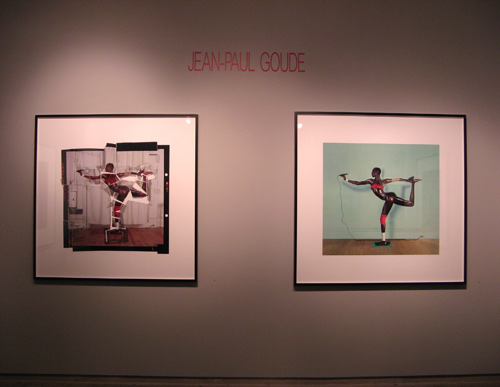
Goude times

The Gen Art Collector’s Circle hosted a tour and reception at Hasted Hunt Gallery for the international gallery debut of Jean-Paul Goude’s solo exhibition, So Far So Goude, featuring photographs and drawings by the world-reknowned French photographer, graphic designer, illustrator, magazine art director and advertising film director. The exhibition is being produced in conjunction with the publication of Goude’s monograph So Far So Goude (Assouline 2005) which “chronicles his artistic journey not only as a photographer but also as major creative force in the US and Europe.” The Hasted Hunt exhibit opened on January 4 and runs through February 17, 2007.

MA was working at the gallery that night, keeping careful watch over the Gen Arters, who apparently have earned themselves a reputation for debauchery.

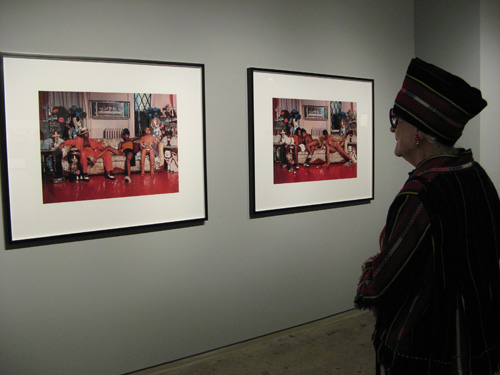
Goude has worked in drawing, poster design, photography, cinema, video, and event design since the 1960s. He is perhaps best known for his collaborations with Grace Jones on now-legendary works of performance and video art. Jones was Goude’s muse and his onetime wife; together they have a son, Apollo. His avant-garde artistry was instrumental in guiding Jones through a number of career transitions. One pair of improbably posed 1978 images — created around the time of their marriage — figured prominently at the exhibit entrance. The final, composite version (pictured at right, below) was used as the album cover of Jones’s album Island Life.

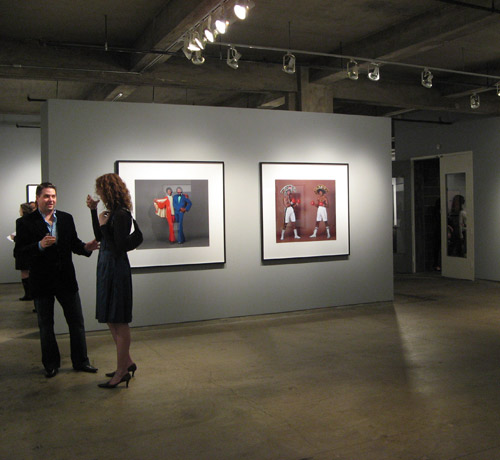
Jean-Paul Goude Exhibit

Goude’s theatrical staging and use of scale and color were evident in the pieces on display. Working with some of the world’s most beautiful women, and using only the most basic tools (an exacto blade, paste, and paint), Goude managed to create iconic images without the benefit of computers and PhotoShop. Other works on view that night included photos of boxers in training and some fairly sexually explicit (read: NSFW) illustrative storyboards and elaborately posed shots with callipygian models. I most admired the series of highly stylized fashion photographs, several featuring designers (John Galliano, Christian Lacroix, Azzedine Alaia, Jean-Paul Gaultier) with their muse-models (Linda Evangelista, Estella Warren, Farida Khelfa.)

Jean-Paul Goude Exhibit

Jean-Paul Goude Exhibit

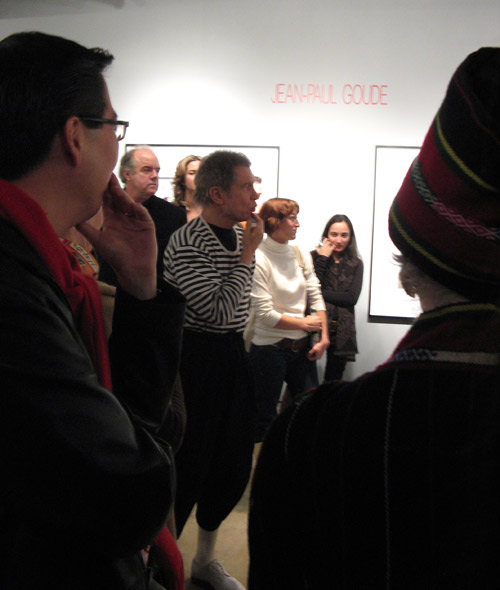
Goude (center, in striped shirt) spoke of finding inspiration in the female form (prompting cries of “Hear, hear!” from the assembled), declaring himself a deep admirer of women — most of all, his wife, Korean-American former fashion editor Karen Park Goude, “The Queen of Seoul.”

Jean-Paul Goude

Goude has created several well-known campaigns for Perrier, Hermès, Louis Vuitton, Moët Hennessy and Chanel. He created the award-winning French Egoïste de Chanel commercial, which featured shrieking demoiselles bursting in and out of louvered doors as Prokofiev’s Romeo and Juliet boomed and swelled in the background. A couple of years later, he scored another coup for Chanel with Vanessa Paradis swinging in a birdcage to the tunes of “Stormy Weather” for Coco.

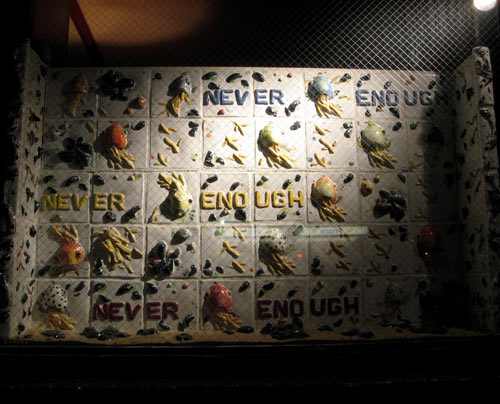
On the way home, a sign:

Never Enough

Your vote counts

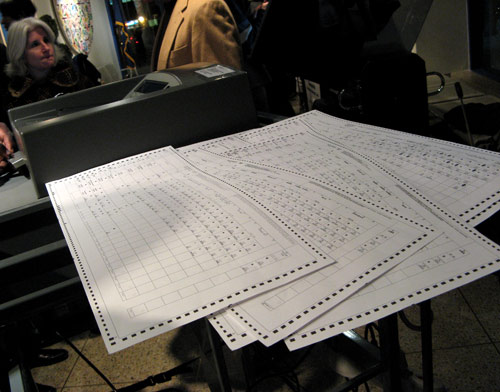
After the 2000 Florida debacle, Congress passed the Help America Vote Act (HAVA), mandating voting process reform in all the states. HAVA establishes specific safeguards to ensure integrity in our elections: chief among them that all voters be able to verify their ballots before they are cast and counted.

The primary considerations for a voting system are accuracy, anonymity, scalability and speed of results. New York State has the dubious distinction of being the first state ever sued by the Department of Justice for its worst-in-the nation record of complying with HAVA. Under HAVA, New York was required to phase out our nearly 20,000 mechanical lever machines and replace them with new technology accessible to people with disabilities in time for the 2006 elections. By March 2006, the state was so delayed in the conversion process that compliance would have been logistically impossible: there simply wasn’t time before the primaries to evaluate options and purchase new voting machines to replace the existing 1960’s models, then to train tens of thousands of election workers, and to educate political parties and the general public in using a new system. On April 10, New York State formally submitted its “Plan B” solution to the Court, through which a small number of ballot marking devices would be centrally located in each of New York’s 62 counties for use by disabled voters. The submission proposed delaying full replacement of the non HAVA-compliant machines until September 2007. After some negotiations on the details of the plan, the DOJ approved New York’s proposal, as the most realistic solution under the circumstances. On June 2, 2006 the Court signed a remedial order, effectively bringing the case to a close.

After over 40 years of service, 2006 was the last year lever machines were used. Public demonstrations of the proposed new voting machines, ranging in cost between $5,000 and $9,000 each, were held around town this month. The new systems have new features to enrich and facilitate the voting experience, e.g., alerting voters to races where they failed to vote, presenting ballots in multiple languages and allowing visually impaired voters to hear their ballot options.

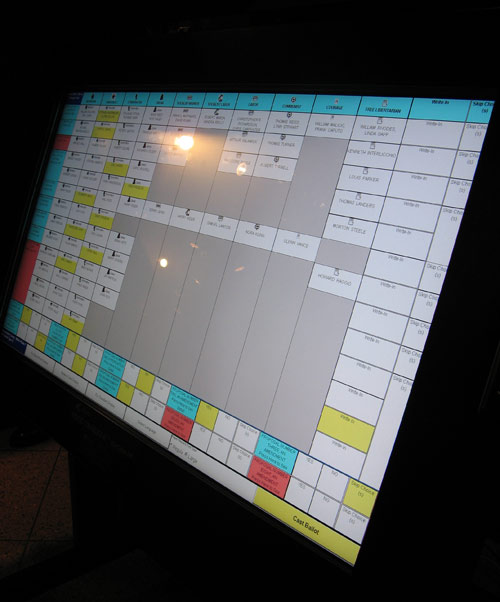
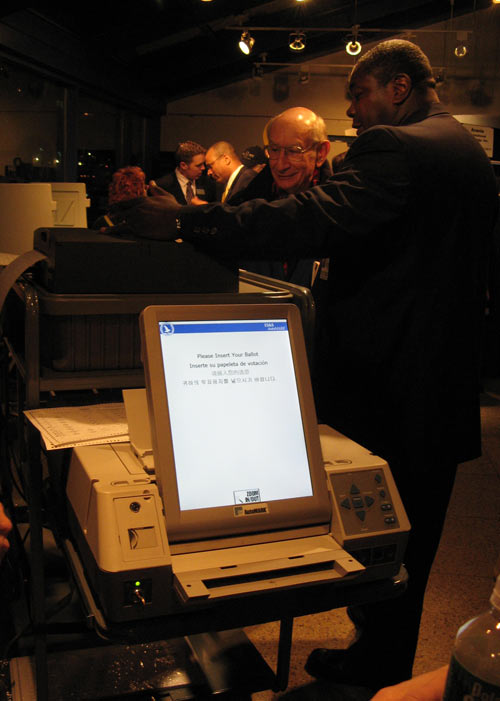
The systems under consideration fall into two general categories. Some states have chosen optical scan systems, where voters fill out paper ballots to be read and tallied by scanners. While optical scan systems have the advantage of low cost and ease of use, critics point out the inherent inaccessibility for the visually impaired, and the fallibility of the scanning system — it’s similar to the one that resulted in widespread scoring errors on last year’s SAT’s, with discrepancies of up to 450 points out of a potential 2,400. Touch-screen machines exhibit what is known as a full-face ballot, displaying the entire ballot to the voter at once. To comply with HAVA’s requirement for a “permanent paper record with a manual audit capacity,” voters will be able to see their votes printed out on paper encased by a small glass window.

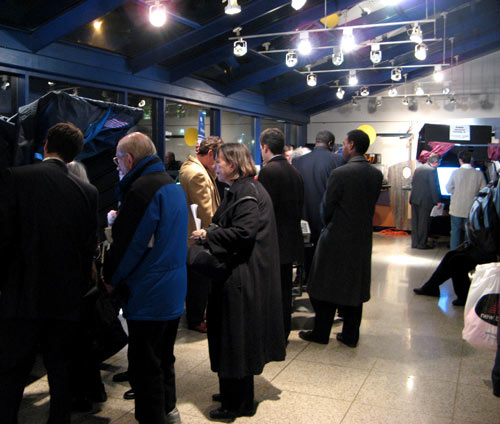
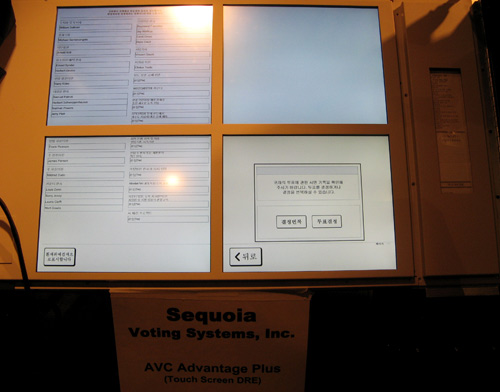
This month, the companies seeking state certification for their machines held demonstrations and participated in a public hearing on the new systems. Each of the four vendors — Avante International Technology, Election Systems & Software, Diebold Incorporated and Sequoia Voting Systems — gave a formal half-hour presentation to the public (followed by a question and answer period), and made their machines available for public trial.

Voting Machine Demo

Avante

Sequoia

Diebold

ES&S

On Tuesday, January 23 at 4PM, the New York City Board of Elections will hold an open public hearing on the proposed voting systems.

Bebop and BiBimBop

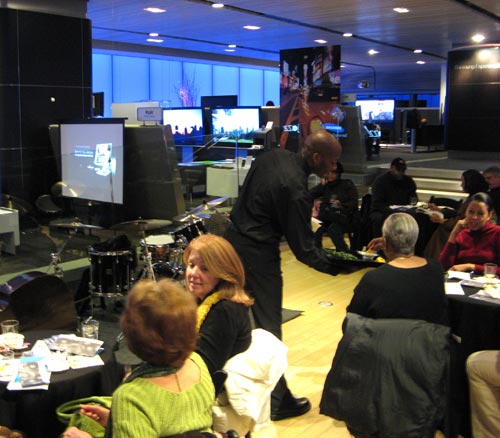
Wednesday night at the Samsung Experience. The expansive blue-lit space, located on the third floor of the Time Warner Center, is designed exclusively as a showcase for Samsung technology. None of the products are actually available for purchase, so it is decidedly not a store — more like a 10,000 square foot interactive commercial for the brand. Interesting concept. Different areas on the floor offer users the opportunity to test out Samsung products in varied settings, e.g., bedroom, office, lounge. Staff is available to answer questions or provide demonstrations of the cool products, some of which are not even (or not yet) available in the United States.

I’ve always been fascinated by the horizontal maps of Manhattan installed just outside of the Samsung Experience, where users can navigate the island by neighborhood, interfacing with the broad screens via hand gestures, Minority Report-style.

I’ll have to come back to explore this gadget geek’s paradise in greater depth, but tonight I was there for the jazz series concert sponsored by Jazz at Lincoln Center. The evening included light bites and cocktails, and a brief lecture on the evolution of Bebop by jazz historian (and Swing University professor) Phil Schaap.

Samsung Experience

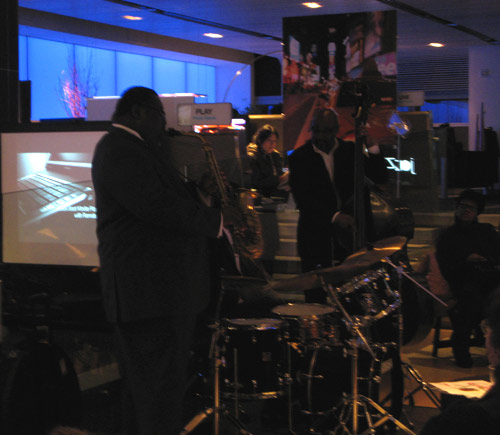
Performing tonight: JALC Orchestra alto saxophonist Sherman Irby and his trio. I was impressed by their prodigious renditions of “I’m in the Mood for Love” and Dizzy Gillespie’s “A Night in Tunisia” — those were the two pieces I recognized, anyway.

Sherman Irby Trio

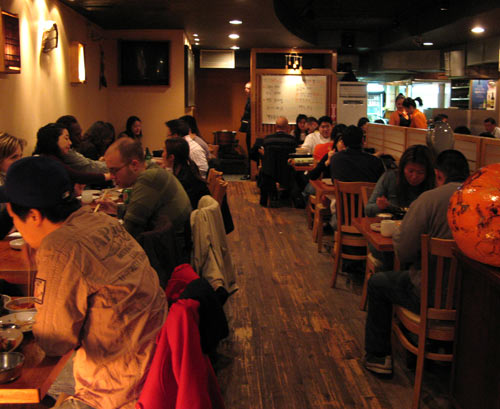
As the show was wrapping up, I slipped out to meet SC, JG, A and D for an impromptu late dinner in Koreatown. Furthering our goal to eat our way across the 32nd Street restaurants to determine K-town supremacy, we met at perennially popular Kunjip, which translates to “big house” in Korean. (Actually, though, it’s one of the smaller, less obtrusive restaurants on the neon-lit row.) The complimentary panchan (small side dishes) included the usual array of kimchi, pickled radishes and vegetables, dried anchovies and tofu, plus a steamed egg dish that was served piping hot in a porcelain bowl, like a soft and salty custard, topped with slivers of scallion. It was the first time I’d been served this particular dish in a Korean restaurant, although Chinese jing don and Japanese chawanmushi compare very similarly. SC and I spied a couple of interesting-looking dishes on other diners’ tables, but for the most part our group stuck to the basics — kimchi pajun, soon dubu, jap chae, bibimbop, ssam… carefully steering (mostly) clear of pork and seafood per our new friends’ requests.

Kunjip’s jap chae may be my favorite so far, but I still prefer the soon dubu at Seoul Garden.

Kunjip

Like Calvin loves Alice

I was moved to tears when I first read Calvin “Bud” Trillin‘s posthumous love letter to his wife Alice after it appeared in The New Yorker  in March 2006.

Alice Stewart Trillin died in the late night hours after September 11, 2001 from heart failure — the result of irreversible damage suffered during radiation treatments she received for lung cancer a quarter century earlier. Alice – to which she was always referred affectionately in her husband’s work — was a 38 year-old non-smoker, and in 1976, she was given a 10 percent chance of surviving beyond a year or two. After undergoing surgery to remove a lobe of her lung, she defied those odds long enough to see her two young daughters grow up and marry, to accomplish important work as an English professor, public television producer, author and cancer advocate, and to participate in a long and happy marriage with her Bud. Her obituary in The New York Times during that terrible week, simply stated: Alice Trillin, 63, Educator, Author and Muse, Is Dead.

Calvin Trillin is probably best known for his humorous writings in The New Yorker (where he has been on staff since 1963) and his contributions to The Nation and Time. Food and family served as his inspiration for countless articles and several books, including The Tummy Trilogy (American Fried, Third Helpings and the National Book Award-nominated Alice, Let’s Eat: Further Adventures of a Happy Eater), Travels With Alice and Family Man. To date, Trillin has authored 21 books, among them fiction, political pieces and satirical poetry. And through it all, as Trillin acknowledged in the dedication to Tepper Isn’t Going Out: “I wrote this one for Alice. Actually, I wrote everything for Alice.”

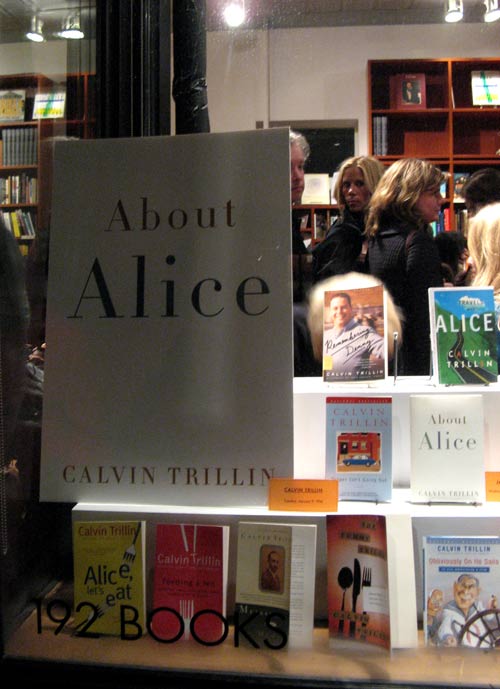
About Alice

In his writings, Alice was generally portrayed as the ever-sensible foil to her slightly goofy husband — George Burns to his Gracie Allen. Trillin recounts the story of how their romance began in 1963 at a Manhattan launch party for an ill-fated magazine of political satire called Monocle. That night, young Bud fell under the spell of a blonde beauty who “seemed to glow.” She was an English professor, he a magazine writer. For him, it was love at first sight, and he would dedicate the years until her death to impressing her. The widely circulated photo of the couple on their wedding day, two years later, shows two people very much in love, as it seems they would remain for the next almost 40 years.

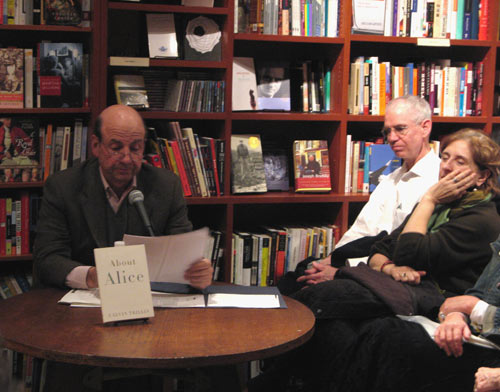
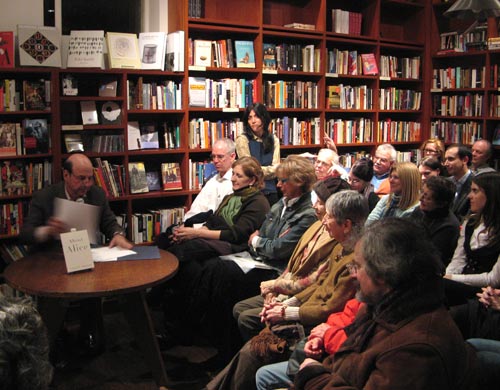
Trillin’s 12-page New Yorker essay “Alice, Off the Page” was an attempt to add another dimension to his wife, whom most knew only as a caricature in his light writings. He expanded the piece into a slim volume, titled simply About Alice, from which he was reading that night at 192 Books in Chelsea. (The New York Times  excerpted the first chapter.) We assembled could easily sense Trillin’s wistfulness in talking about his Alice — the love, already evident on the page, came to life in his steady, even reading, leaving many in the crowd misty-eyed for his loss.

Calvin Trillin

Calvin Trillin

The title of this post is taken from a condolence letter Trillin received from a reader, who like so many others, grew to love Alice as he did, despite never having met her. It refers to a query posed in the mind of this young woman in New York, while looking at her boyfriend. “But will he love me like Calvin loves Alice?”

I often wonder the same for myself. Whoever he is, I certainly hope he will. And like Alice, I hope to be just as deserving of that affection.

Mei Lai Wah Coffee Tea House

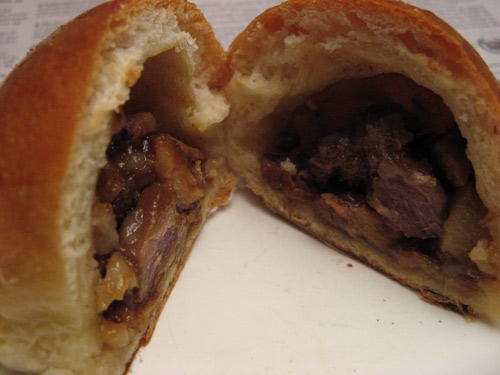
On Pell Street for a haircut, and this time, I made a point of stopping by Mei Lai Wah Coffee Tea House, my longtime favorite place for roast pork buns (char siu bao).

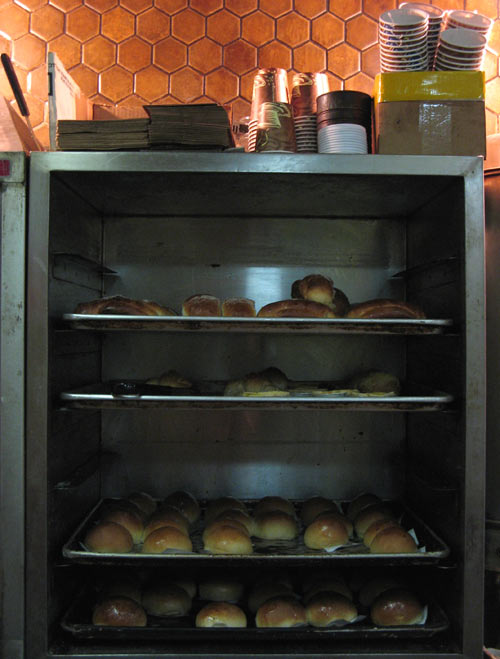
This hole-in-the-wall coffeeshop on Bayard Street is a wonderful relic from the old Chinatown. I remember my parents bringing me and my siblings to the shop on Sunday mornings — or rather, I remember waiting on the sidewalk outside while Mom or Dad elbowed their way into the always-packed shop. After a time, one or the other would emerge with a brown paper bag full of steamy, warm — they were always warm! — fragrant pillows of eggy bread, stuffed with sweet, but not too sweet, barbecued roast pork. Mmmm.

Once inside, the deep, familiar scent of milk tea and strong, creamy coffee… the stacked trays of paper-bottomed baked buns. (Incidentally, I never understood how in those days Mei Lai Wah would sell so much coffee when traditionally, Chinese aren’t big coffee drinkers.) In the evening, the place takes on a decidedly seedier feel: emptied of the throngs of shoppers and families waving bills, clamoring for attention from the indifferent staff, it’s just a coffeeshop, and a rather dingy one at that. Still, the space has hardly changed from my earliest recollections: the same dim lighting, brown tiled walls, plastic fans, vinyl stools, worn counters… even the men working the register have an ancient look about them, always have. The booth denizens are predominantly male and elderly: the staunch old guard, poring over their World Journals as the street vendors, chain bakeries and neoned bubble tea shops shift and change around their wizened heads.

Mei Lai Wah

There are other offerings at the coffeeshop: some dimsum (mornings only), sesame braids, shredded coconut buns, egg tarts, and the somewhat generically named “big bun” (dai bao), which is indeed big, and stuffed impossibly full of pork, chicken, Chinese sausage (lop chong) and vegetables. Also, steamed roast pork buns, fluffy and white. In my mind, though, they pale in comparison to the sweet, golden-glazed, slightly crusty, baked variety. Fragrant and fresh out of the oven, there’s no better way to spend seventy cents.

Char Siu Bao

Arts & Leisure Sunday

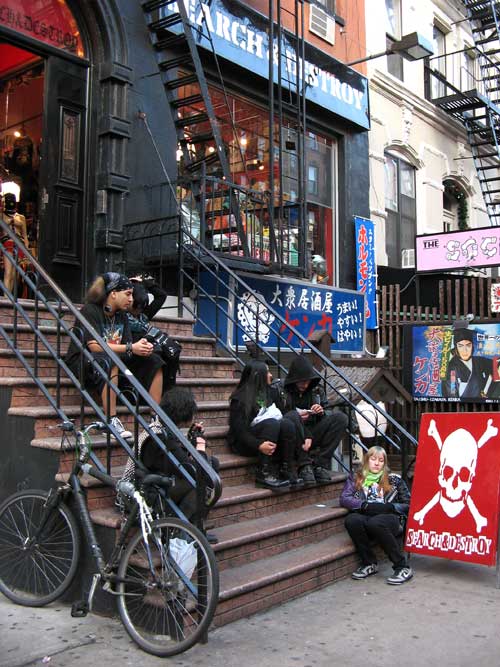
On St. Mark’s Place on a sunny Sunday:

St. Marks Place

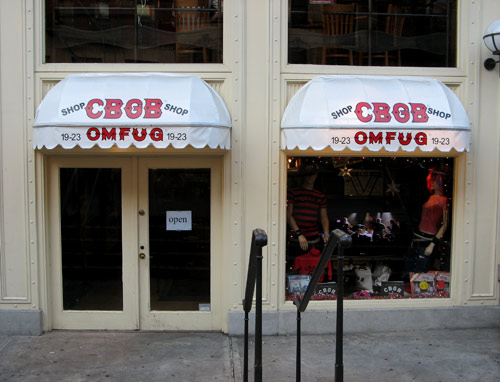
And down the block, the CBGB-OMFUG Shop opened at last, lest we forget that the club was once a relevant rock-institution on the Bowery.  And if you’re looking to own a piece of rock n’ roll history — yes, an actual 12′ x 13′ piece — you can find it on eBay(!) But hurry: bidding closes at 19:26:49 PST on January 17.

CBGB OMFUG Shop

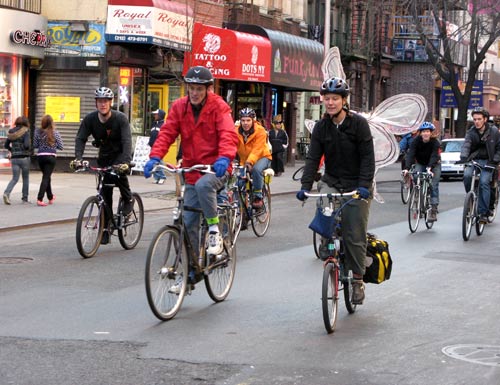
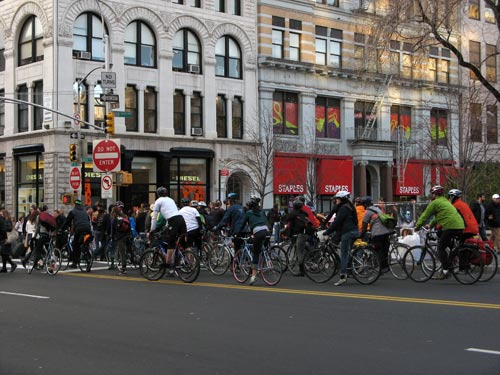
Dozens of cyclists paid tribute to the 14 cyclists killed by motorists in 2006, visiting each of the accident sites in a citywide ride organized by pro-cycling groups Time’s Up and Transportation Alternatives.

St. Marks Bikers

Union Square Bikers

Since I had missed out on this month’s installment of Suzan-Lori Parks 365 Days/365 Plays, my schedule was clear to attend the New York Times Arts & Leisure weekend screenings. Today’s would be held at the ImaginAsian Theater, in a space that once housed a single-screen arthouse theater that was part of a complex of smaller theaters, all located within a couple of blocks of each other. The theater closed in 2003, reopening in the summer of 2004 as a venue for showcasing Asian and Asian-American films, hosting film festivals (including the New York Asian Film Festival), special events and exhibitions.

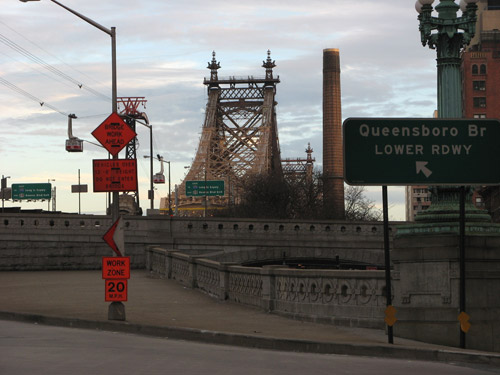
By the time I arrived in midtown for the Little Miss Sunshine screening, the ticketholders line had stretched East to the entrance of the Queensboro Bridge, an optimal (if chilly) vantage point for the Roosevelt Island trams, making their 4.5 minute rides over the East River.

Queensboro Bridge

Marc Turtletaub, Peter Saraf and Jeb Brody bought the script to Little Miss Sunshine from first-time screenwriter Michael Arndt for $250,000. Focus Features picked up the film rights, but after stalling production in 2004, the producers bought back the rights from the studio in 2005, opting to cover the entire budget themselves, despite not knowing how commercially viable the unconventional story would be. First timers Jonathan Dayton and Valerie Faris, then best known for creating The Smashing Pumpkins 1979 music video, directed. The rest, of course, is independent film history: in January 2006, Little Miss Sunshine debuted to critical acclaim at Sundance. After a frenzied bidding war, Fox Searchlight acquired the worldwide rights for more than $10 million — the record set by Miramax’s purchase of Happy, Texas in 1999.

Sometimes the anticipation I have for a film builds to the point that I’m ultimately disappointed (see: Children of Men), but I loved Little Miss Sunshine, which managed to be hilarious, bizarre and touching all at once. I’d had only the broadest notion of the plot going in — knowing it had something to do with a family road trip and a beauty pageant, and nothing at all with the children’s books character created by Roger Hargreaves — so at the climax when the film could have veered easily and dangerously into tritely awful territory, I was pleasantly surprised.

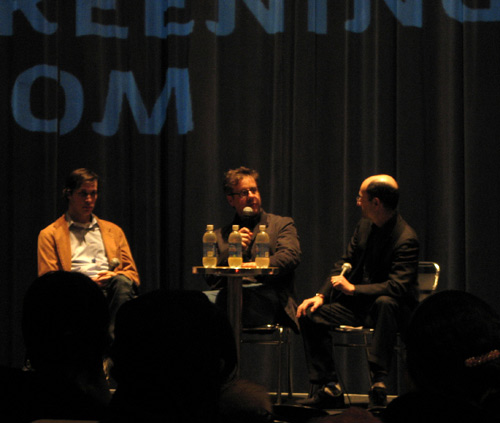
Producers Peter Saraf and Jeb Brody were on hand to discuss the film afterwards, offering some insight into the filming. Apparently, the casting of Steve Carell as the suicidal, gay Proustian scholar uncle was something of a point of contention; NBC had aired just a few episodes of its midseason replacement, The Office, and The 40-Year-Old Virgin had not yet introduced Carell’s hirsute torso to cinemagoers everywhere. In the span of just one year, though, Carell’s star had risen such that the producers went from initially protesting his casting to tapping him to do prominent promotion for the film.

I was most interested to learn that although some have seen the film as a satire or veiled criticism of child beauty pageants, all of the young girls acting as participants in the eponymous contest, except for star Abigail Breslin, were cast from real-life beauty pageants. For the film, the elaborately coiffed little misses merely recycled their own actual outfits and talent performances — no exaggeration necessary. Yikes.

LMS Producers

After meeting CS for a non-pizza dinner at Patsy’s, we headed back to the ImaginAsian for a screening of Freedom Writers — not Freedom Riders, though the protagonists do draw some inspiration from the Civil Rights-era demonstrators. The film, of course, is based on a true and familiar story: think To Swank, With Love; Swank and Deliver; Dangerous Minds 2 — Electric Boogaloo. Despite some unfortunate caricatures (evil department heads, rival teachers), the film wisely manages to keep the saccharine-levels in check most of the time, and Swank is effectively charismatic in her portrayal of the inspiring Erin Gruwell, alternating as needed between cock-eyed optimism and steely determination.

Party at Public

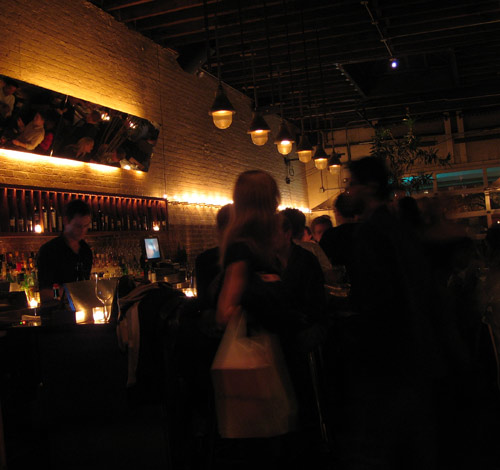
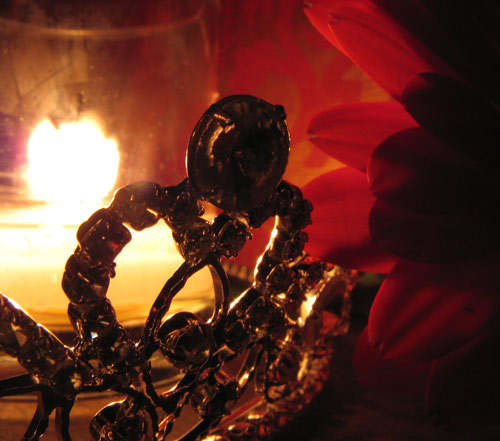
Our small group gathered in our finery at Public for M’s birthday celebration. As I stood considering the infused vodkas with MP at the bar — Pineapple-Peppercorn? Fig-Fennel? — M and L glided in, dressed to the nines. They made a smashing pair. It may have been the first time I’d ever seen M in a dress; it was certainly the only time I’d ever seen her in a full-length mink and a tiara. But tonight was a special occasion, and I was happy to be a part of it.

Over a sumptuous dinner (Cured Wild Boar, Grilled Scallops, Mushroom Ceviche, Grilled Kangaroo on a Coriander Falafel, New Zealand Snapper on Wasabi-Boniato Mash) and flutes of champagne, friends and family toasted to our host, who radiated contentment in the candlelight.

Public Bar

As the rest of the party began to trickle in, we cleared our plates and made our way into the private lounge to continue the celebration with friends from near and far. The hours flew by, and when M insisted on one final round of Lemon Drops before BM and I said our good-byes, how could we deny the birthday girl? Cheers!

Tiara

That's Amore!

It all started with an email just before New Year’s. DK, prompted by a post he saw on Chowhound, sent out an email jubilantly announcing that the long-lost pizza from our childhood had somehow resurfaced at a nondescript shopping center off the service road of the Van Wyck Expressway. Was it possible?

Given the rhapsodic tone of his missive — “the sauce… the sauce… best pizza i’ve ever had in my entire life. i’d eat half a pie as a little kid.” — I’m surprised that a full week passed before we made the trip out to Queens to investigate.

Saturday afternoon, he and SYB dropped by Dad’s office to pick me up for our adventure. We bid adieu to my parents (who seemed amused by the prospect of the three of us driving out to the mall for pizza on a Saturday afternoon) and off we went.

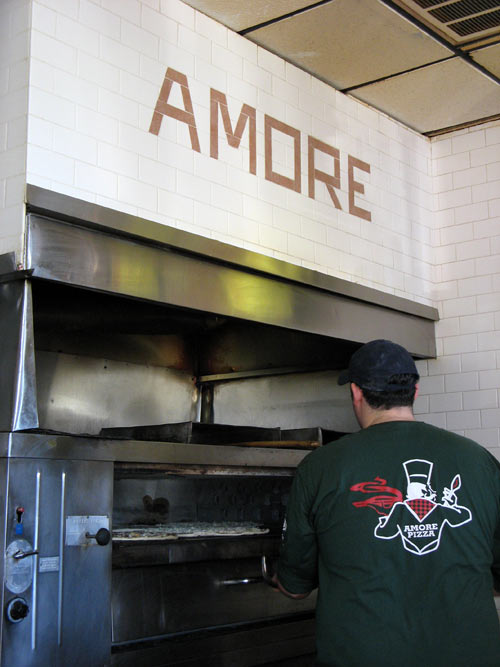
There it was: Amore Pizza. The familiar, sweet aroma hit us as soon as we stepped inside the glass doors. We ordered a pie and proceeded to wait with nervous anticipation. Would it be just as we remembered? Or was the pizza we once knew, lost to our decades of memories?

Amore Oven

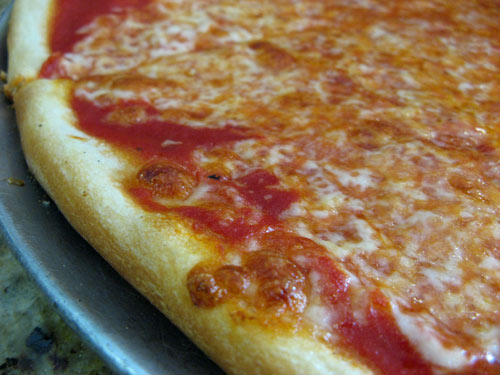
When the tray finally hit the table, it was all DK could do to pause the necessary few minutes to allow the cheese to set. (At least it gave me a little time to snap this photo.)

Amore Pizza

A tentative bite. Some thoughtful chewing. Yes… yes… a shade on the crispy side, but otherwise, yes, it was the same pizza! Slow smiles spread around the table.  DK looked so happy. There’s some remark to be made here about Proust and his madeleines, but on this sunny, surreally warm January afternoon, among two of my oldest friends, such erudite thoughts were far from my mind. Sitting in that booth with molten slice in hand, I felt about 16 years old, which these days, isn’t such a terrible thing.

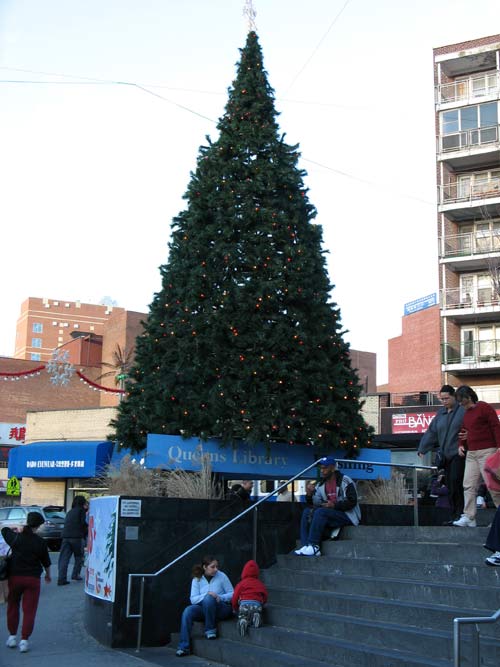
Queens Library Tree

Mozart at the Morgan

Sitting at my desk at work, I got another unexpected call: this time, MB and AC inviting me out for lunch with the surprise visitors from Southern Cali. We met in the lobby of my building and our lively lunch at Ho Yip 2.0 offered a preview of the liveliness to come this weekend.

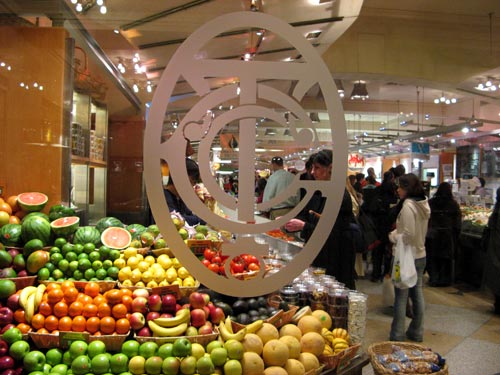
But before the celebratory shots of Patron and demonstrations of value (or is that excellence?) among the technicolor disco lights, one of the last opportunities to check out the “Mozart at 250” exhibit at The Morgan. We met at the Grand Central Market — I just adore the cheese sticks at Murray’s Cheese Shop — and made our way to Madison and 36th Street.

Grand Central Market

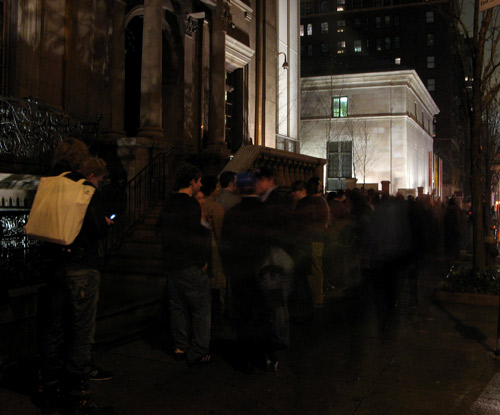
What’s this? An actual line, forming outside the Library and Museum entrance — and eventually snaking its way around the corner. At first I was surprised that Mozart manuscripts could draw such crowds, but then I remembered that the popular Bob Dylan exhibit was also going to be closing that weekend. And indeed, most attendees were on line for “Bob Dylan’s American Journey, 1956–1966,” billed as the first comprehensive exhibition devoted to Dylan’s early career.

Morgan Library Line

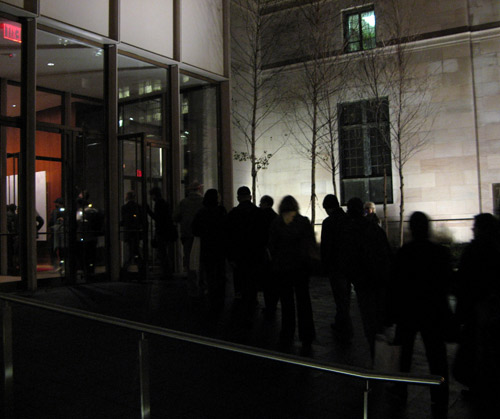
A few minutes before 7PM, a museum staffer began distributing individual tickets to the Dylan exhibit, and the line began its slow march inside the airy Renzo Piano atrium.

Morgan Library Line

We bypassed the crowded glass elevators leading up to the second floor gallery — where the Dylan exhibit had replaced the manuscript room — in favor of what I consider the highlight of The Morgan, tucked away in the Southeast corner of the complex: the beautiful rooms that make up the original library and study of its founder, J. Pierpont Morgan. But first, a stop inside the white-cubed Clare Eddy Thaw Gallery that houses the glass-cased medieval treasures, among them, one of Morgan’s most important acquisitions: the gold and jewel-encrusted Lindau Gospels (ca. 880). The young man appointed to stand guard over the artifacts shared with us some tidbits he had picked up during the parade of guided tours under his watch. He pointed out a few of the pieces in the room, informing us that they had been purchased by Morgan for $100,000 apiece. Accounting for inflation only, that’s just over $2 million each in 2006 dollars.

Morgan was an avid collector of items, though he never confined himself to an artistic category, a specific period, or uniform aesthetic. Between 1899 and his death in 1913, Morgan went on an epic buying spree, amassing more than 3,000 medieval objects and 600 manuscripts, reportedly spending about $60 million on art, books, manuscripts, and drawings. Chief among those was the Stavelot Triptych, the mid-twelfth century three-part winged display housing relic fragments of the True Cross.

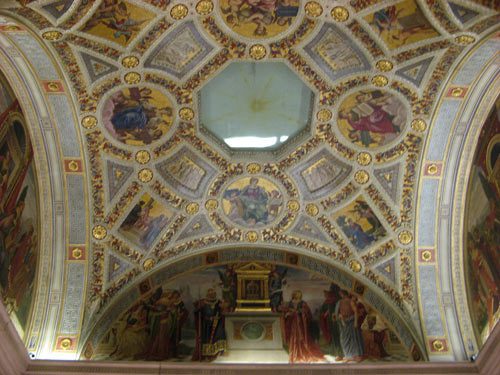
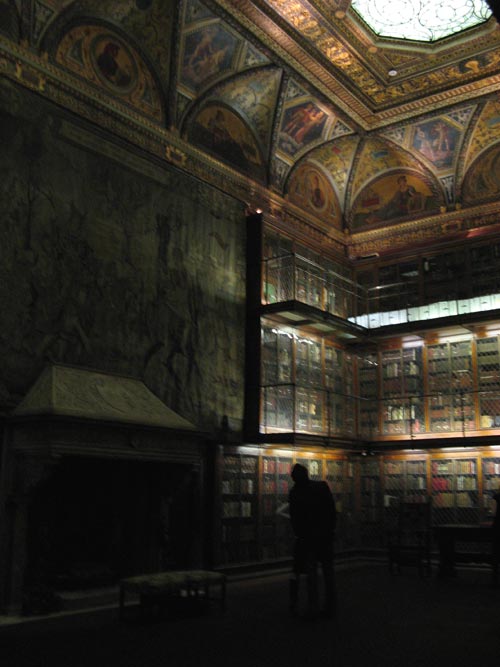
The McKim, Mead and White-designed rooms were just as impressive tonight as they were the last time — the marble and muraled dome entrance, the gilded library with one of Morgan’s three Gutenberg Bibles, the scarlet-damasked study with its Italian Renaissance works and sixteenth-century wood coffered ceiling…

Morgan Library Ceiling

Mr. Morgans Library

Eventually, we were joined by HYB and JL, and together we toured through the Mozart exhibit with its 18th century manuscripts, including the rare first edition of the unfinished Requiem and The Haffner Symphony in its silver case. There were listening stations set up where two people at a time could listen to musical excerpts associated with a manuscript detail. (HYB and his iPod improved upon the offerings.) Lining one wall were pages taken from Mozart’s personal correspondence — saucy, wildly inappropriate letters to his cousin and sister — which offered some insights into the juvenile lurking beneath the genius.

I did a brief walkthrough of the “Saul Steinberg: Illuminations” exhibit across the hall, but a more in depth examination would have to wait for another evening (on view through March 4, 2007.)

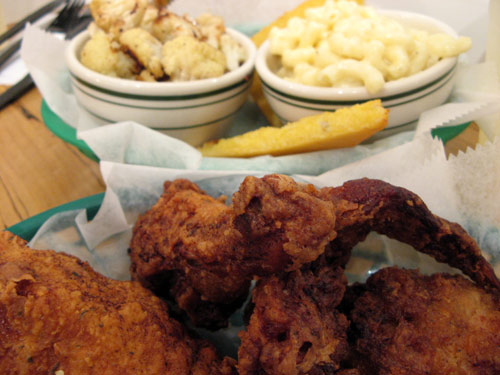
On the way to DF’s birthday gathering, we stopped in at Dirty Bird for fried chicken, mac-n-cheese, roasted cauliflower and shallot cornbread — an experience further enhanced by the XM Fred broadcast rotation of Nine Inch Nails  and The Smiths.

Dirty Bird Chicken