vip in the city, page 69

ISX @ Slate Plus

I only recently discovered Tenzan, a casual sushi restaurant on Columbus Avenue, after dinner with CS one night shortly after she moved into the neighborhood. As local joints go, it’s been reliably tasty: the fish is always fresh and they excel in what chowhound Jim Leff affectionately calls “Stupid Pandering Americanized Sushi,” which is to say, “double dragon rolls, spicy tuna, lots of crispy and spicy thingamabobs.” Sometimes I crave the stuff, too – my apologies if that offends the sushi purists among you. Of late, I’ve been enjoying Tenzan’s “Spicy like roll” (don’t ask me what that means): an enticing combination of chopped shrimp, tobiko and crunchy bits. B accompanied me there before our night of liquor tastings; he opted for a couple of the more familiar rolls, and one creamy and curiously sweet peanut/avocado roll.
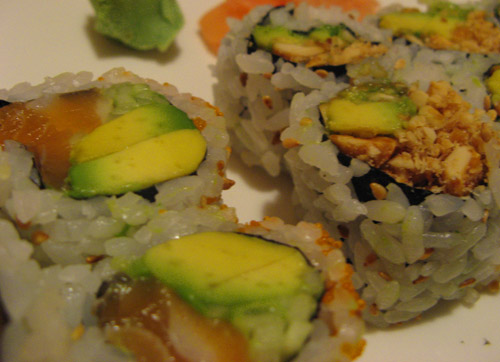
Tenzan rolls

Off to The Independent Spirits Expo (ISX). This evening’s showcase featured the brand owners of three specialty liquors — Mãe de Ouro cachaça, Khukri Himalayan rum and Orange V Mandarin and Valencia orange-infused vodka.

Slate — which I learned today has been redubbed Slate PLUS (Electric Boogaloo?) — is a bi-level restaurant-lounge-billards hall. This spot has had a long storied history as a pool hall; back in the day, it was known as “Chelsea Billiards,” the famed 24-hour den, known for its clientele of millionaires and hustlers. Bronx Science alum Jeanette Lee, a.k.a. “The Black Widow,” is perhaps the most recognizable face in professional pool. She often recounts the story of how she fell in love with the game after walking into Chelsea Billiards one Spring afternoon in 1989. She entered her first professional event in January 1993 and within a year became one of the top-ten ranked players in the world. In 1994, she was number-one, earning the “Player of the Year” award. She has won countless professional awards since, including a gold medal for the United States at the 2001 Akita World Games, and even co-authored a book, “The Black Widow’s Guide to Killer Pool.”

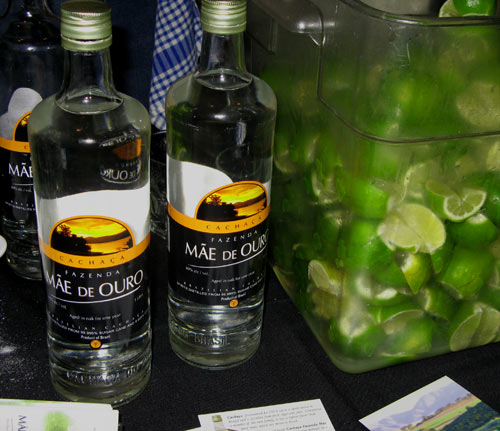
Our favorite at the IXP was the Cachaça Fazenda Mãe de Ouro. “Cachaça Dave” Catania was there, promoting his authentic, small-batch pot-distilled cachaça by mixing up rounds and rounds of his delicious caipirinhas throughout the night. We were in fact, so enthusiastic in our praise and interest that Dave ended up giving us not one, not two, but FIVE imprinted wooden pestles — or muddlers — for making our own caipirinhas at home. That’s five each, ha!

Here’s his recipe for the perfect caipirinha:

  • 1/2 Fresh Tahiti Lime
  • 1-2 teaspoons superfine sugar
  • 1.75 oz Cachaça Fazenda Mãe de Ouro

Cut the ends off the lime and slice the lime into 8 wedges, removing the white core. Add sugar over 4 lime slices in the bottom of a large, heavy-base rocks glass. Muddle the limes and sugar together with a wooden pestle, pressing more on the fruit than on the rind. Fill the glass with ice and add Cachaça Fazenda Mãe de Ouro. Shake or stir well. Enjoy!
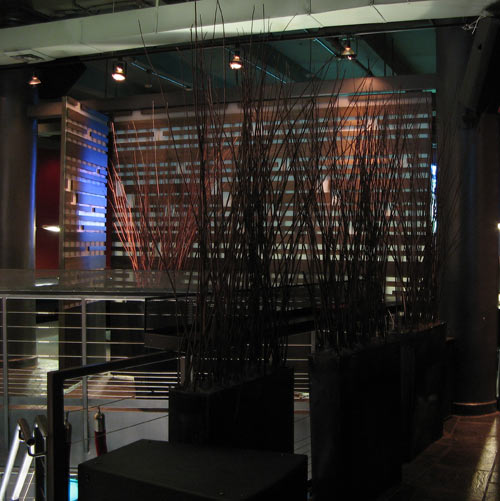
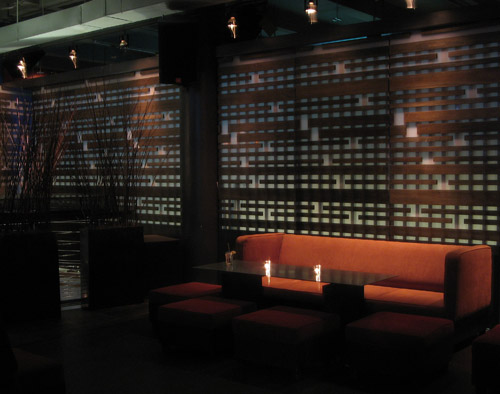
Slate Plus

Slate Plus

Nine gallons of pure hand-cut sugarcane juice are used to create each hand-numbered bottle. Dave’s artisinal cachaça is served at restaurants around town… or pick up a bottle at select liquor stores, like Crush Wine & Spirits and Landmark Wine & Sake.

P.S. — it’s pronounced “ka-SHA-sa.”
Mae de Ouro

Good times, good times.
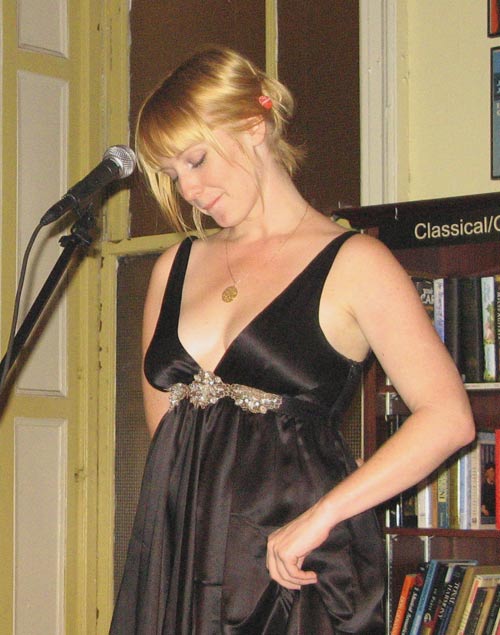
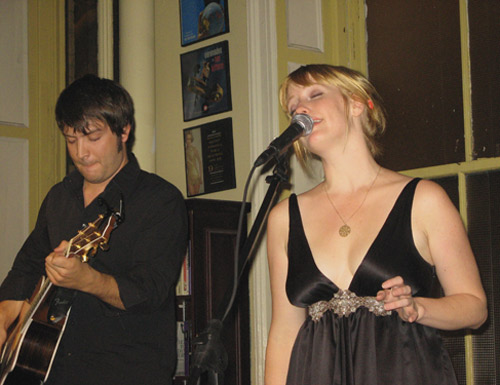
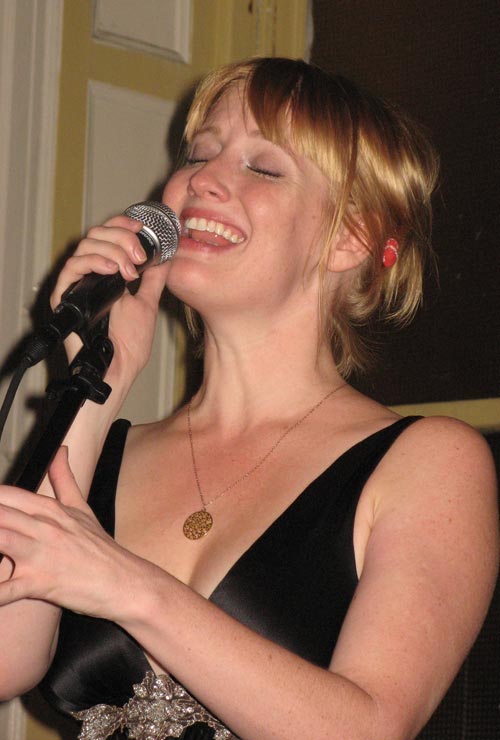
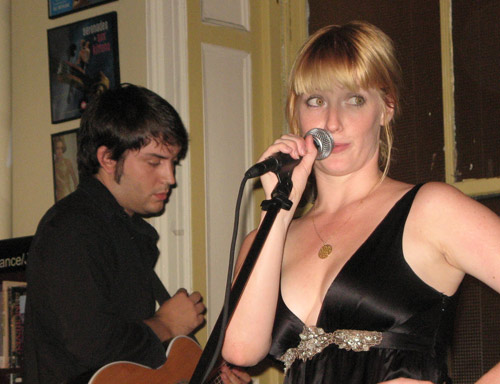
Leigh Nash release party

After the weekly vegetable pick-up, I stopped in at Sucelt Coffee Shop for a mango batida. Traditionally, it seems these tropical fruit drinks are often spiked with cachaça, the potent sugarcane liquor from Brazil, but the ones served up at this decades-old hole-in-wall are served sin alcohol. Love their Cuban sandwiches, but it was a bit too early for dinner and this night, I had plans to attend the release party and showcase for Leigh Nash at the Housing Works Used Book Café.

Nash is best known as the lead singer of the now-defunct Sixpence None the Richer. Blue on Blue, her first solo album since the group disbanded in 2004, hits stores today, August 15.

Sixpence was one of the spate of crossover Christian rock groups that came to the fore in the late 1990s. (See: Creed and P.O.D.) The band’s name was a reference to a story in C. S. Lewis’ book, Mere Christianity. Their mainstream popularity was sealed with the mega-hit “Kiss Me,” which was featured on two episodes in Season 2 of Dawson’s Creek (even landing the lead-track position on the Songs From Dawson’s Creek soundtrack. Yes, I own it. So what?) Live sports fans, of course, mostly hear the tune nowadays when it’s played to entice spectators to kiss for the Jumbotron.

Years ago, I had seen Nash perform at Madison Square Garden when Sixpence opened for the Barenaked Ladies. Don’t remember much about their set list that night other than the aforementioned “Kiss Me” and a nice cover of The La’s “There She Goes” (which they later recorded and released as a single.) In the much humbler setting of the book café, Nash seemed sweet and at first, tentative… shyly introducing the acoustic set inspired by her achingly earnest musings on love and motherhood. (Nash has a toddler son, Henry, who was born just as she and longtime Sixpence collaborator Matt Slocum parted ways.) That angelic voice – instantly recognizable – was in fine form, though to my ears, the tunes didn’t venture so very far from the Sixpence formula. Nash quickly warmed to the audience, making self-deprecating jokes, and seeming genuinely grateful for the second-act opportunity, though this time without the backing of a major label.

Leigh Nash

Leigh Nash

Leigh Nash

Leigh Nash

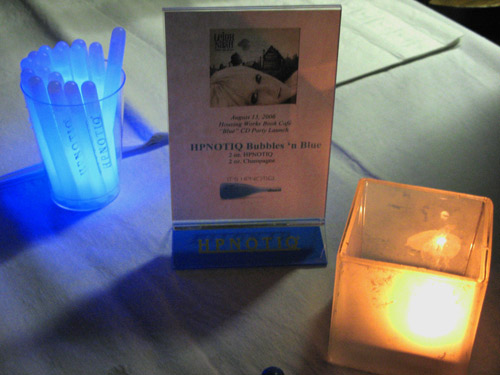
The evening was awash in blue: from the glowing blue Hpnotiq drinks (garnished with branded glowsticks) to the goody bags containing the Blue on Blue album, a blue fizzy bath bomb and a bottle of pale-blue Essie nail polish.

Through September 1, would-be remixers can download the stem tracks from the first single “My Idea of Heaven” to “re-create, re-edit, re-configure and remix” at will.

Hpnotiq

Lovely Day for Thai

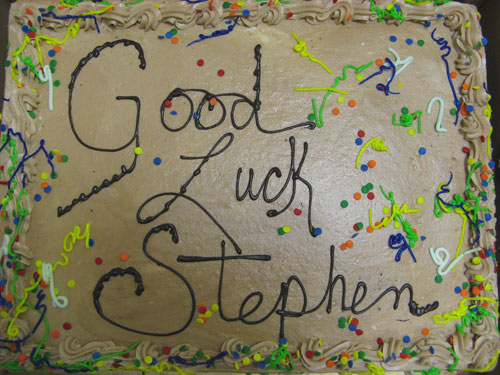
After spending over an hour calling around to various bakeries in Manhattan and Brooklyn (trying to balance budget with palatability), I finally decided to order SK’s chocolate cake from Fairway Market. After several back-and-forths with Bonnie from the Catering Department, the order was finally confirmed at 8:30AM on Sunday morning. Oof! But at least it forced me to get an early start on the day.

I picked up the cake box from the store on the way into work. The half-sheet cake ended up being bulkier and a lot heavier than I had expected; at that point, though, I had committed to bringing it downtown, so there was no turning back. And I did want to make sure that SK got the proper send-off. I’ll miss having my friend around the office.

I entered the crowded train at the 72nd Street station and was pleasantly surprised when two men stood to offer me their seats. Chivalry is alive and well. Must have been the desperate look in my eye as I tottered precariously into the car.

The cake, I think, was received pretty well: good chocolate flavor, moist with mousse filling and not overly sweet. Good to know about this source for the next time I need a cake to serve 30+ people.

Cake

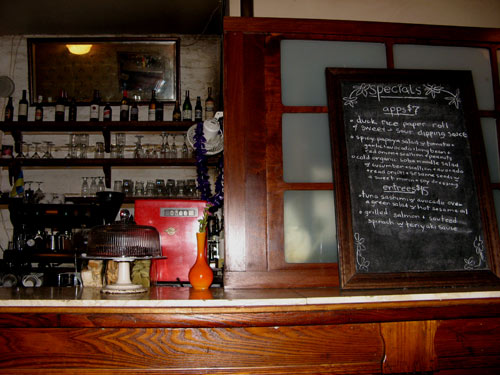
After work, I was treated to dinner at Lovely Day on Elizabeth. Solid choice — and we did get to make use of the Diner’s Deck — but I think I liked the feel of the space more than the (Thai) food, which was pretty standard. It is one of the more economical options in the SoHo/NoLIta area, though I probably prefer the ever-popular Cafe Habana down the block. The wait staff is model-thin and good-looking, and apparently not too shy about expressing affection for one another. My dining companion seemed sad to have missed the display of sapphic smooches I caught from my vantage point, facing the front door. The decor is “American breakfast nook”: red banquettes, vintage-looking flowered wallpaper, marble-topped wooden bar and a chalkboard announcing the day’s specials.

Lovely Day

Good authentic Thai food is not so easy to find in New York City – yet another cuisine in which the Southern Californians seem to have an advantage. On the West Coast, it could be a function of sheer numbers: far more Thais live in SoCal than here, where the Royal Thai Consulate-General in New York puts the number of Thai immigrants in the city at just about 8,000. As a result, most of our local Thai restaurants – in contrast with say, Chinese restaurants – must appeal to a largely foreign/American clientele, which leads many chefs to adapt by adding sweetness and toning down the bright flavors and chili heat that characterize real Thai food.

Still, I like to keep looking. Sripraphai, in Woodside, Queens, is generally considered the best authentic Thai restaurant in the city. And it cracked the top 5 on New York Magazine’s ranked list of Best Cheap Eats earlier this month. In Manhattan, I like the no-frills Pam Real Thai in Hells Kitchen and Land Thai on the Upper West Side. I’ve also had surprisingly good Thai food in Greenpoint (better known for its Polish cuisine) at Thai Café on Manhattan Avenue.

And now I’m hungry.

High style @ MCNY

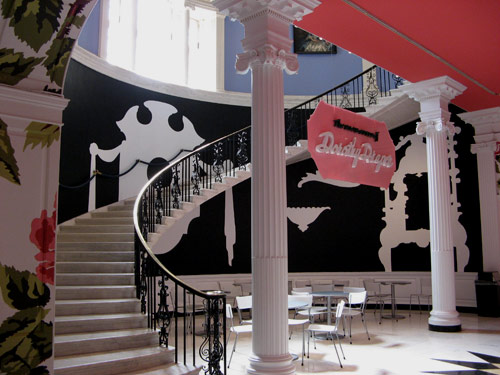
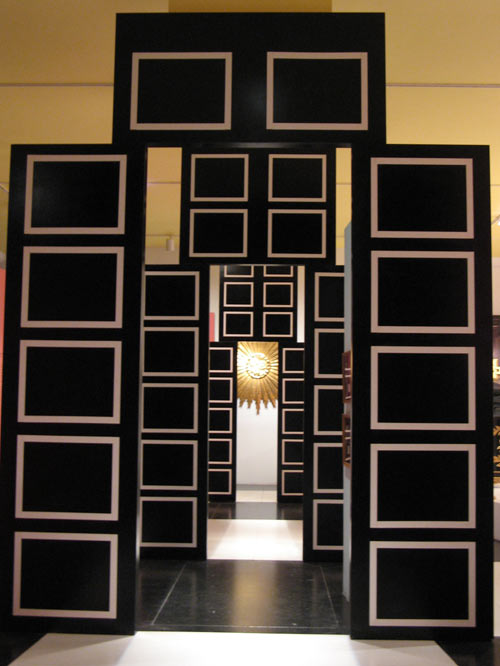
Visited the Museum of the City of New York this morning for “The high Style of Dorothy Draper” exhibit. Once a household name, Draper’s influence as a decorator continues to reverberate as fashion moves away from stark minimalist spaces towards her signature explosions of exhuberant color, oversized accessories, vivid cabbage roses, bright stripes and baroque flourishes. A true style icon and pioneer in interior design, she dominated the field from the mid-1920’s until her retirement in 1960, when she was named America’s most influential tastemaker. The exhibition at MCNY is the first-ever major restrospective of her life and career.

Born Dorothy Tuckerman in 1889 to a prominent and wealthy family – her great-grandfather was a signer of the Declaration of Independence – Draper was raised in the affluent enclave of Tuxedo Park, one of the first gated communities in the United States. (The tuxedo was invented there by Pierre Lorillard in 1886.) Draper was a six-foot tall debutante with an outsize personality to match. After marrying George (Dan) Draper, a doctor from a similarly prominent family, she started up a fledgling decorating business in the 1920’s – essentially creating a new market for packaged style in the heretofore male-dominated construction industry. Her marriage eventually foundered, though, and after three children, her husband asked for a divorce. (Ironically, he married another decorator five years later.) Once freed from the bonds of marriage, the 40-year old Draper’s ambition took off: she renamed her company, and through her society connections (particularly, real estate magnate Douglas Elliman) and distinctive style, was able to score several highly visible commissions: the Carlyle Hotel lobby, a row of Sutton Place tenements (which resulted in the quadrupling of their offer price), and the project which put her on the map: The Hampshire House (now a coop) on Central Park South. She designed the Metropolitan Museum of Art’s cafeteria, the Greenbrier Hotel in West Virginia, the Arrowhead Springs Hotel and Spa in Southern California and the Camellia House Supper Club restaurant at the Drake Hotel in Chicago.

Far from limiting herself to commercial contracts, Draper lent her design sensibilities to projects as varied as the 1952 Packard, a fleet of airplane interiors and the International Hotel at Idlewild (now JFK) Airport. By the 1940’s, her name had developed such cachet that she expanded her empire to make interior design more accessible to the post-War generation of American housewives through the publication of (ghostwritten) books like “Decorating is Fun!“, “Entertaining Is Fun!” and “How to Be a Popular Hostess.” She lent her name to a line of household products, wallpaper, textiles and furniture. She had a nationally-syndicated advice column entitled “Ask Dorothy Draper” — also ghostwritten — that ran in 70 newspapers, 3 times a week.

The company Draper founded is still in existence — over forty years after her death — and her “modern baroque” sensibility has enjoyed a recent renaissance of sorts. Towering achievement for an Edwardian era woman with no formal design or business education.

Draper Foyer

Draper Panels

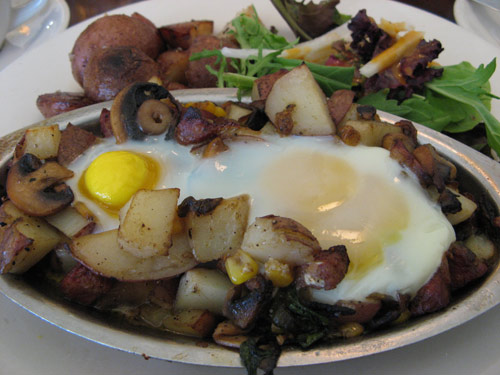
Afterwards, I stopped for brunch at Itzocan Bistro, a wonderful (and well-reviewed) French-Mex restaurant at 101st and Lexington. The limited brunch menu — a terrific deal at $8.50, including coffee — offered a few intriguing options. I had difficulty deciding between the “Omelet with huitlacoche mushrooms, jalapeno & brie” and the “Baked Eggs with chorizo, poblano peppers & mushrooms.” When in doubt, ask the server; a man who appeared to be the owner (Anselmo?) advised me that while both were good, he personally preferred the baked eggs, though they did entail a bit of a wait. No worries there: I was in no rush to be anywhere else. Overhearing our exchange, a diner at the next table enthusastically seconded the recommendation. He would be in the position to know: I saw remnants of the dish on his plate.

No salsa and chips here: I was tided over with slivers of warm, crusty French bread and butter. Twenty minutes later…
Baked Eggs

The “baked” eggs were in fact just barely set atop a bed of roasted potatoes with buttery mushrooms and wonderfully spicy chunks of chorizo. C’est si bon! (Or is that: Qué bueno!)

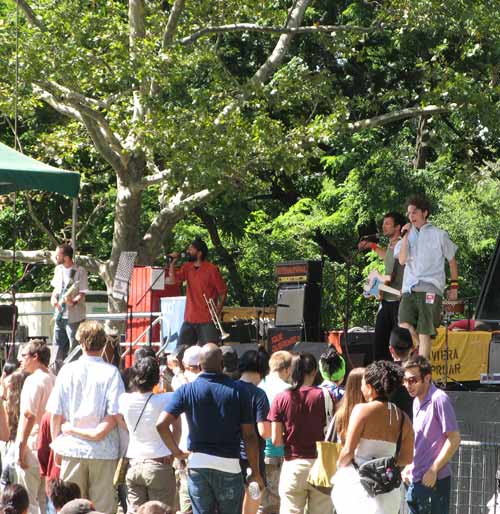
Brooklyn’s Outernational at Summerstage in Central Park:

Outernational

Summerstage

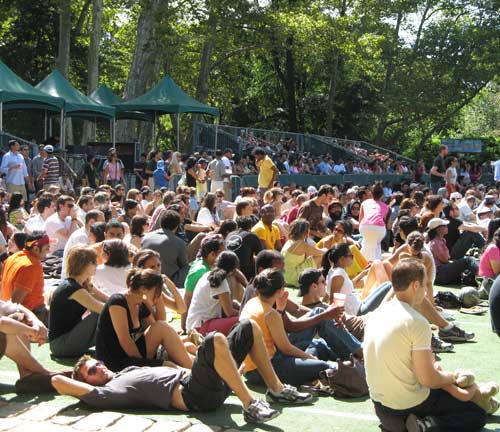
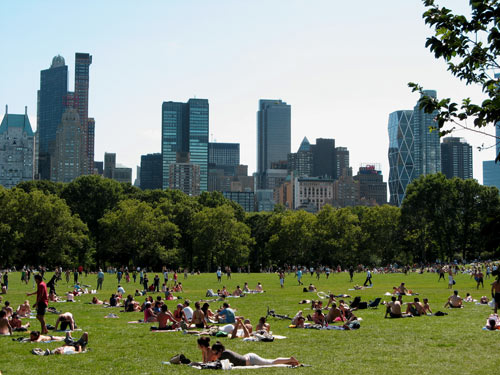
Sheep’s Meadow on a lazy Sunday:

Sheeps Meadow

Love among the produce

Missed BB’s 7th Annual Big Leo Bash because I was stuck at work past 11:00PM for the second time in a month.   Though I probably shouldn’t complain, since I’d taken last Saturday off to attend DK’s wedding.

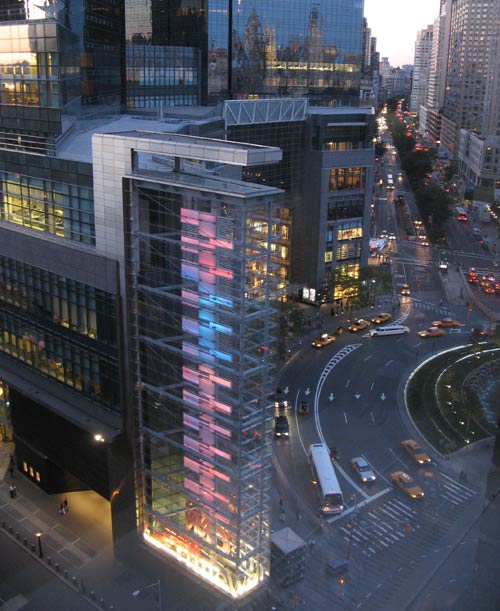
I did step outside at one point to pick up a snack at the Whole Foods Market at Time Warner Center.  Yikes.  Does the entire city converge in that store on Saturday afternoons?  Where did all these people shop for food before this 58,000 square foot haute-crunchy emporium opened in 2004?

I’d read somewhere that Whole Foods is one of the prime pick-up spots in the city — specifically, the prepared foods section where singles tend to congregate.  Perhaps the lighting, which makes the organic produce look so luscious, has the same effect on the patrons?

The CNN New York Studio at TWC:

CNN


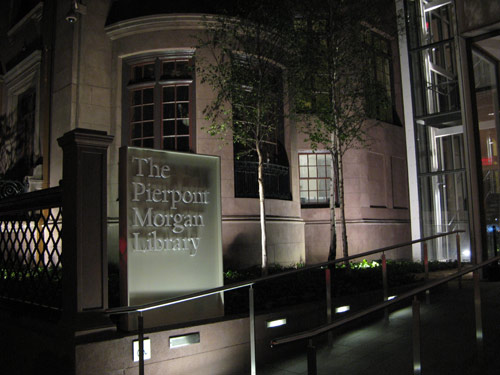
The Morgan Library

The Morgan Library (now the Morgan Library and Museum ) reopened in late April 2006 after a three year renovation and expansion during which the exhibition spaces were doubled by the construction of Renzo Piano’s four-story, steel and glass atrium. We visited during Friday’s late evening hours, after a round of beers (Harp and Magic Hat #9, not Kiuchi Nest) at nearby Ginger Man.

Piano is the Pritzker-prize winning Italian architect, most famous for designing the Centre George Pompidou in Paris. The Morgan Library’s $100M addition is Piano’s first major work in New York City, but there are others planned in the years to come: the new headquarters building for The New York Times Company in Times Square, the Whitney Museum extension and a possible Northern extension of the Columbia University campus.

Renzo’s design links together the original 1906 library, the 1928 Annex, and the 1850s brownstone on Madison and 37th Street. The house was the home of J.P. (Jack) Morgan, Jr. until his death in 1943, after which it served as the headquarters of the Lutheran Church in America. The Morgan Library purchased it in 1988. Prior to the Morgan’s ownership, the house was home to wealthy philanthropists (and married cousins) Helen Phelps and Anson Stokes; their son, Isaac Newton Phelps-Stokes, was born in that house, and grew up to become a historian-author and architect of St. Paul’s Chapel on the Columbia University main campus. In 1966, the chapel was among the first buildings to be designated an official landmark by the New York City Landmarks Preservation Commission.

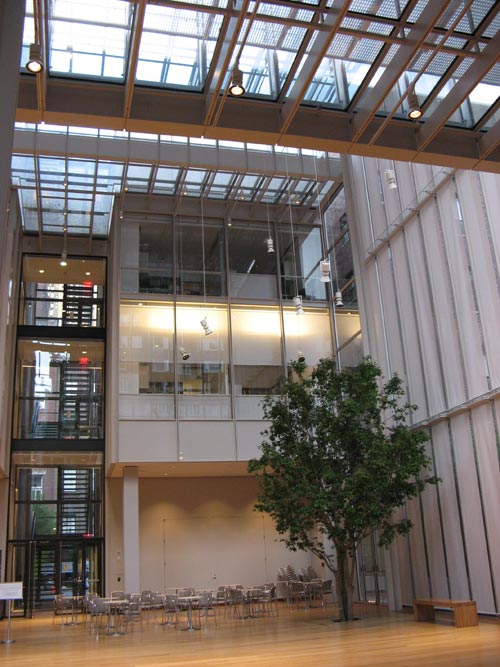
But back to the Morgan. A windowless cube gallery sits off to the South of the airy, new Gilbert Court (below) and serves as a showcase for Morgan’s considerable medieval art treasures, the most important of which is the mid-9th century gold and jeweled Lindau Gospel Book. The room also holds the mid-12th century copper gilt and enamel Stavelot Triptych.

Gilbert Court

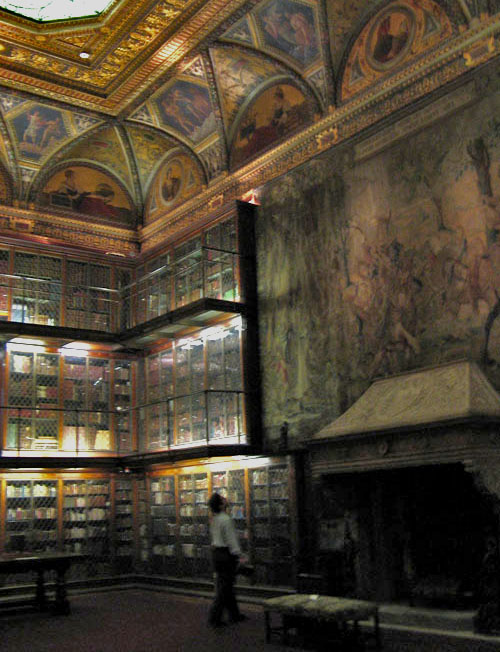
It had been several years since I last set foot inside to view the objets d’art culled together by the senior John Pierpont Morgan, and I was impressed all over again with the breadth of his collection. A large portion was donated to The Metropolitan Museum of Art, of which Morgan was one-time president, but a select few remain here. The original Italian Renaissance-style Library building was built next to Morgan’s brownstone residence (since demolished) as a three-room showcase for his treasures at a personal cost of $1.2M. The East room, actually known as “Mr. Morgan’s Library,” is a majestic yet intimate space with a leaded skylight and vaulted ceiling murals by commissioned artist Henry Siddons Mowbray, head of the American Academy in Rome. The three tiers of dramatic floor-to-ceiling encased shelves are filled with some 5000 leather-bound volumes dating from the 16th to the 20th centuries.

No photos allowed: this one somehow made it into my camera while B stood in between me and the guard’s line of vision.

Library

One highlight of the Library are the Gutenberg Bibles — one was on display in this room. The Morgan collection includes three of the ten copies in the United States — one vellum, and two paper, more copies than even the Vatican (which owns just two). Only sixty or so copies are known to still be in existence worldwide. The only other copy in New York City is owned by The New York Public Library. Yale, Harvard and Princeton Universities each own one copy, as does Bill Gates.

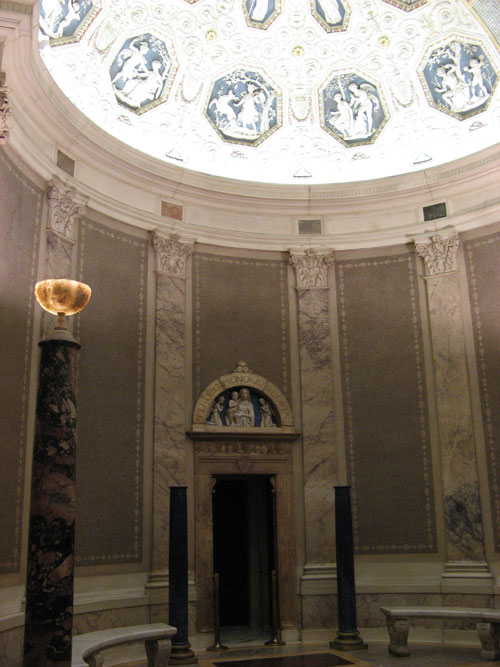
Below, the Rotunda, which sits between Mr. Morgan’s Library and Mr. Morgan’s Study — which with its red damask silk-covered walls and imported 16th century carved wood ceilings was once called the “most beautiful room in America.”

Rotunda

So much to see: drawings by da Vinci, Raphael, Michelangelo, Rubens, Dürer, Rembrandt, Degas and Picasso. Upstairs, an astonishing collection of literary and musical manuscripts: the only existing transcription of Milton’s Paradise Lost, Thoreau’s 40-volume journal, personal correspondence by Benjamin Franklin, crazily cramped early writings by all four Brontë siblings, Austen’s first unpublished novel, and works by Steinbeck, Balzac, Dickens, Poe, Burns, Byron, Keats, Shelley… sheets of music by Bach, Beethoven, Mozart, Chopin, Brahms, Schubert, Schumann, Mahler, Wagner…

Morgan Library

It’s almost too much to take in during one visit. I, for one, am thrilled to have my — okay, our — Pierpont Morgan Library (and Museum) back.

Absinthe @ the Spiegeltent

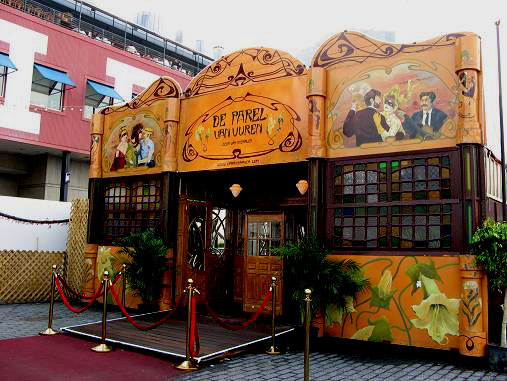
Spiegeltents (“mirror tents”) were an early-20th-century European creation; these hand crafted pavilions were used as traveling cabarets, dance halls, bars and entertainment salons. The one at South Street Seaport’s Pier 17 through September is one of the few originals remaining in the world. Since being built in 1926, the elaborately decorated tent of colorful leaded glass, mirrors, teak, brocade, and velvet, has traveled throughout the world before making its way to the southern tip of Manhattan last week.

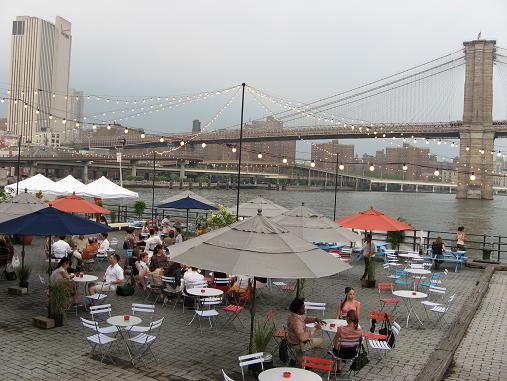
The tickets were all for general admission seating (the spiegeltent seats up to 320 in the round), so we arrived at the pier early to line up. Heartland Brewery set up a biergarten outside the tent, so we could drink in the beautiful bridge views with our Summertime Apricot Ales.

Tent

Beer Garden

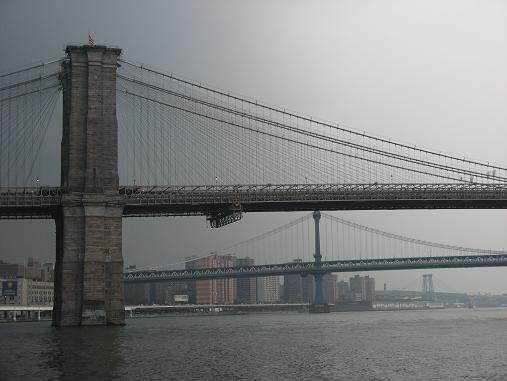
3 Bridges

Just before showtime, ominous storm clouds began rolling in from Brooklyn. The first drops of rain came down just as the doors opened; by the time we made it to our seats (second row again!), we could see the water pouring down the outside of the stained glass windows. The torrents of water began pooling in the tent overhead, causing the roof to sink lower and lower with the weight. I was half-convinced that the tent canvas would burst from the strain, and collapse — drenching, and possibly electrocuting, us all. Thankfully, my fears remained unfounded; those Belgians built a stronger tent than I gave them credit for.

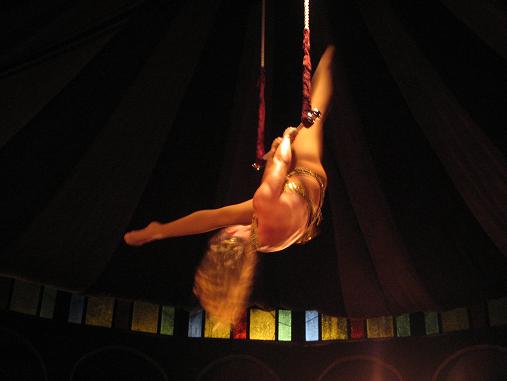
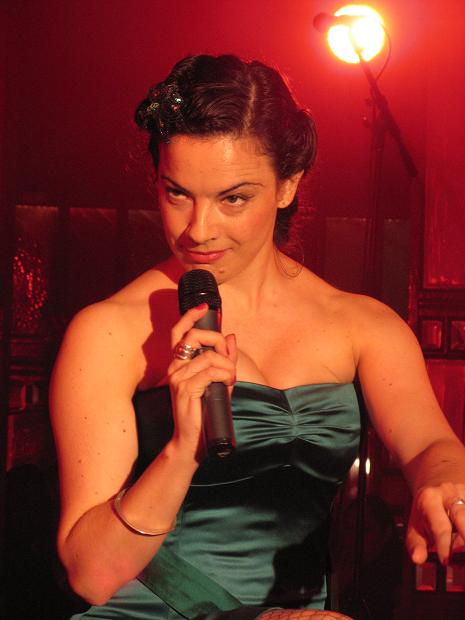
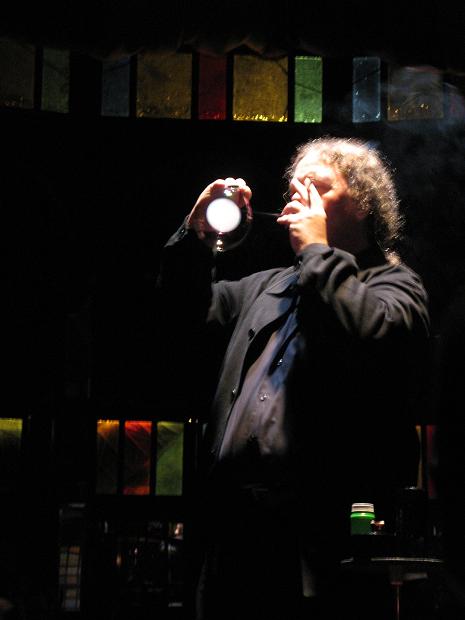
The Absinthe show was a risqué mix of vaudeville, circus and cabaret. The acts were as varied as they were original: a pair of gymnasts, performing wince-inducing feats in pinstriped suits and bowler hats (…until the finale when they stripped down to Union-Jack emblazoned briefs), a high-flying trapeze artist, a sultry hula-hoop twirler, a bare-chested bathtub acrobat, a bubble magician, cabaret singers. Even emcee Miss Behave got into the act, cheekily interacting with the audience and showing off her own weirdly impressive deep-throating skills.

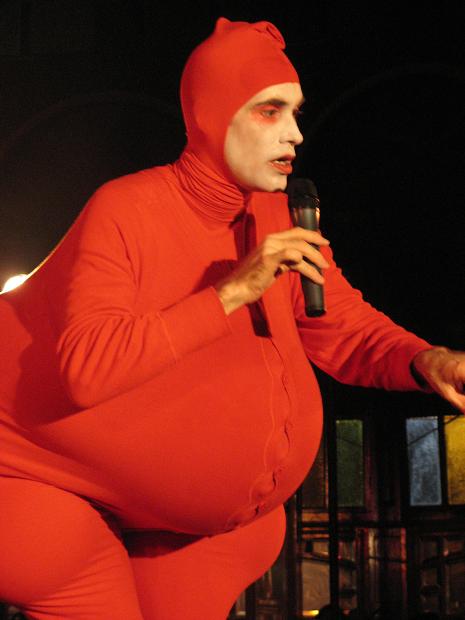
Despite several postings — including one prominently displayed at the box office — advising that the show was NOT SUITABLE FOR MINORS, someone had actually decided to bring a six-year old boy to the performance. As the comedian Red Bastard observed, “Well, the kid’s gotta learn sometime!” Indeed: his act was followed by Ursula Martinez’s unforgettable magic striptease, which had the male members of the crowd — and a few female members — howling in appreciation. Check out her site for a description of the “Hanky Panky” act. No photos of that one.

Trapeze Artist

Red Bastard

Camille

Bubble Man

Mother Meryl

SK treated me to a farewell lunch of sorts at newly opened Trinity Place. I’d been wanting to check out this intriguing subterranean bar restaurant since it opened across the street a couple of months ago, so was happy for the opportunity, and the Asian chicken salad – my second in three days – did not disappoint (though I can’t help but always approach the idea of an “Asian salad” with some bemusement.) SK’s Kobe beef burger first arrived at the table with cheddar instead of the blue cheese he ordered, but when the server comped him a second glass of wine, all was forgiven.

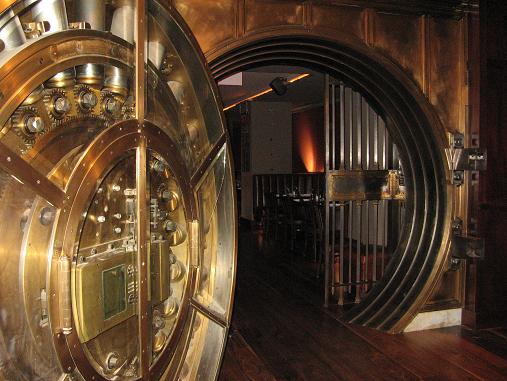
Trinity Place occupies the space which was formerly the bank vault of the United States Realty Company at 115 Broadway. The limestone facings of this building and the adjacent Trinity Building at 111 Broadway were designed with Gothic detail to harmonize with neighboring Trinity Church. The construction of “New York’s original twin towers” between 1905 and 1907 was a major undertaking, entailing the relocation of Thames Street and the construction of retaining wall foundations drilled 80 feet into the marshy subsoil beneath.

The owners spent $1.5 million converting the swanky new space. The vault is flanked by two identical round 35-ton steel doors, nearly three feet thick, one door leading into the bar and the other into the restaurant area, which was formally a secret meeting room for U.S. Realty’s directors, which included financiers Charles Schwab and Cornelius Vanderbilt. An old caged elevator has been re-purposed as a wine cellar.

According to the website, the vault in which the bar and restaurant are located was built in upstate New York and floated down the Hudson River by barge, and transported to its current location on railroad tracks.

Trinity Place Vault

We continued the festivities there after work with a couple more people in tow. Apparently more than a few Wall Street-types have discovered this new happy hour spot; the place seemed pretty lively for a Wednesday evening. This night, though, I had to leave the party after just an hour to join SYB uptown at Central Park’s Delacorte Theater for Shakespeare in the Park at 8:00PM.

For his efforts of waiting in line through the night, missing a day’s work and a night’s sleep, SYB managed to score us a pair of seats in the second row, dead center.  And his dozen-year streak of attending every Shakespeare in the Park production remains intact.  Awesome!

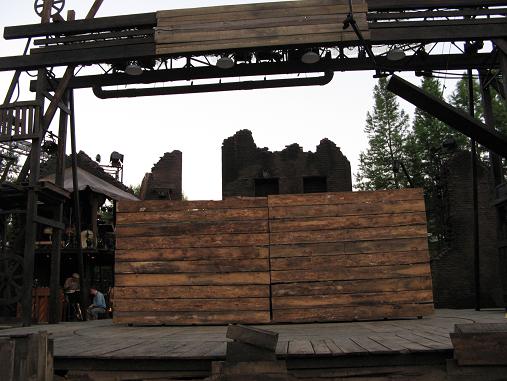
SITP Stage

This production of Bertolt Brecht‘s war-themed drama, Mother Courage and Her Children, features the incomparable Meryl Streep in the title role.  Fellow Academy Award winner Kevin Kline also stars.  It was adapted from the original German by Tony- and Pulitzer-prize winning playwright Tony Kushner (of Angels in America  fame.) It is SITP’s second production this summer season; I missed Macbeth (with Liev Schreiber), which ran June 13 to July 7.

This 20th-century piece is set during 17th-century Europe’s Thirty Years’ War (1618-48).  Anna Fierling, known as Mother Courage, runs a canteen wagon and makes her living off the Swedish army troops she follows through Eastern Europe — relying on the war for survival and profit, while cursing its costly toll on her three children.  The themes of war as a business advanced under the guise of a moral crusade seemed to resonate with the audience that night; during a couple of the more political speeches, several people broke out into spontaneous cheering and applause.

Streep was riveting in the tragi-comic role, holding the stage for almost the full three and a half hours, displaying impressive physicality and singing chops.  Not for nothing is she the most-nominated actor in Academy Awards history.  I truly felt I was witness to something special.

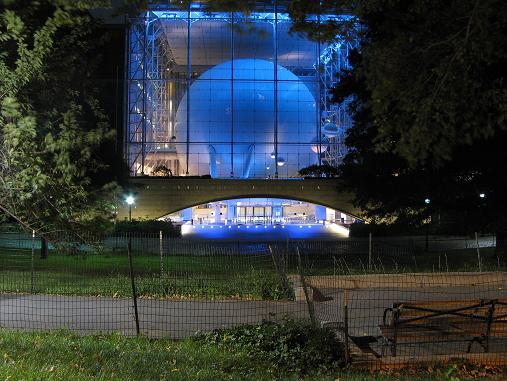
The Hayden Planterium on the walk home:

Hayden Planetarium

Plan B(otanica)

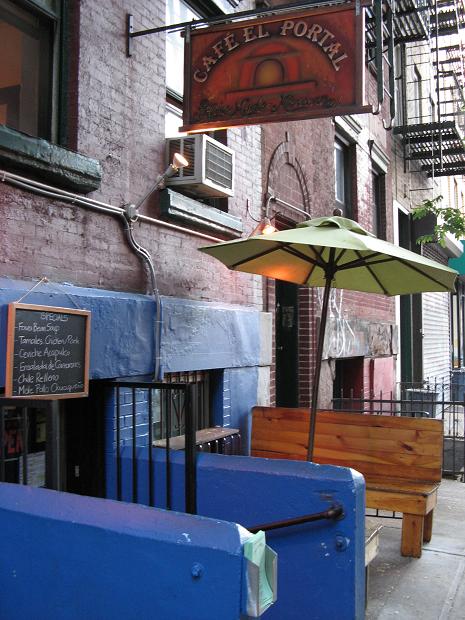
After work, I met up with SYB, RV and LC at Café El Portal on Elizabeth Street for some self-billed “home made Mexican” before the half-birthday festivities. Cute little spot, and the Mexican food did taste authentically homemade to my palate, though New Yorkers generally are not considered experts at judging such things – versus, say, Californians, whose tastes are finely honed by the abundance of local, authentic Mexican eateries.

After perusing the menu for an inordinate amount of time, I finally opted for the chilaquiles to compare against those I had at El Paso Taqueria a couple of weeks ago. They arrived hot and piled high on the plate, and tempting enough to prompt the woman sitting at the table next to ours to order the same.

Very tasty, if not quite as tasty as the plate uptown. Much later in the evening, I was comparing notes with JK about taquerias around the city. We were raving to each other about what we thought was the same place “in the low 100’s”, but which turned out to be two entirely different places, on different sides of Manhattan. I believe he was referring to Taqueria Y Fonda La Mexicana up on Amsterdam between 107th and 108th Streets, which if memory serves, I visited with B well over a year ago after we discovered too late that our intended destination – nearby A Restaurant – was closed on Sundays.

Cafe El Portal

And speaking of Plan Bs…

We left the restaurant and made our way around the corner to Pioneer Bar where the festivities were scheduled to take place. As we approached, something seemed off. Terribly off. Two of SYB’s friends were already standing on the street outside the bar, or rather, where the bar would be… if it hadn’t closed suddenly and without explanation some time in the past few days. Whoops.

I later learned that Pioneer Bar is indeed no more, soon to be replaced by R Bar, which is scheduled to open in early September 2006.

After brief consultation with AB, the other half-birthday reveler, she and SYB decided to move the celebration to nearby Botanica on Houston. SYB began frantically calling around and texting the 60+ people on the invitation list to let them know about the change in venue.

The new locale turned out to be just fine for our purposes. We set up in the back lounge, and it was like having our own private – if very dark – living room, complete with worn, deeply squishy couches. Spent some time talking to MW, whom I hadn’t seen in ages – probably since the night of our dinner at Le Jardin Bistro.

I also met for the first time DX, SYB’s International Center of New York English conversation partner, who hails from Qingdao, China, site of the world-famous Tsingtao Brewery.

Just after 12:30AM, SYB set out to camp overnight in front of The Public Theater for tickets to Shakespeare in the Park’s production of Mother Courage (starring Meryl Streep) on Wednesday night. I got a text from him at 1:21AM, informing me that he was 6th or 7th in line, with just about 12(!) hours to go before ticket distribution. That’s dedication!

Factotum at The W

Attended a screening of Bent Hamer’s Factotum tonight at the W – Union Square hotel’s Grand Ballroom.

In its previous life, the 20-story in Beaux Arts–style building now housing the W New York – Union Square was known to 20th century New Yorkers as the Guardian Life Insurance Building. Originally named The Germania Life Insurance Company (after its founding by German immigrants), the company was renamed to “Guardian” after the German association became a liability during World War I. And not coincidentally, the name change did not require changing any of the decorative “GLIC” masonry carved throughout the building.

The company headquarters was built in 1911, and boasted one of the early versions of neon signage on their distinctive four-story mansard roof. The current “W Union Square” sign is a tribute and close style reproduction of the old sign.

In 1998, the Related Companies, LP paid $45 million for the landmarked tower at Park Avenue South and 17th Street when Guardian decided to move its operations downtown to Hanover Square. The company spent an additional $100 million to transform the Union Square building into a boutique hotel, while maintaining some of the original old–New York charm, including the marble stairwells and moldings, original tiled elevator landings and a spectacular marble-columned, plaster flower ceilinged, double-height ballroom on the second floor that once had been Guardian’s bank hall, then employee cafeteria.

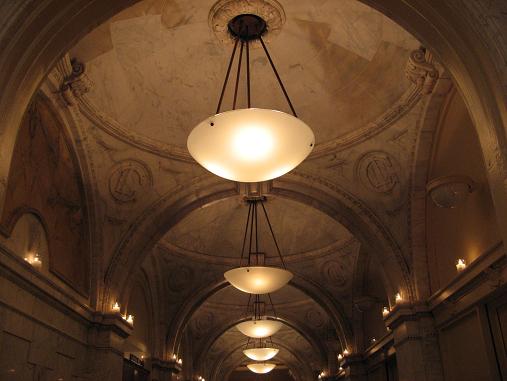
Here, the ornate white marbled grand arcade, with elaborately scrolled arches and overhead domes (with “GLIC” detail):

W Grand Hall

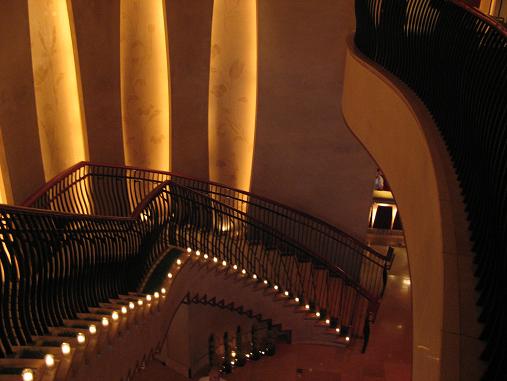
The Rockwell Group designed the space to accommodate old and new. The modern main staircase emerges from the sleek lobby, following the arch of the original one, which was removed during the years-long renovation.

W Staircase

At the pre-screening reception, CS and I were treated to an open concessions bar: funky glassed Voss water (Norwegian water in honor of the Norwegian director?), sodas, Twizzlers, M&Ms, Junior Mints, Red Hots, Pirate’s Booty, popcorn – the works. Also some tasty Crème de Cassis-concoctions in martini glasses, but those seemed like potential trouble, so we demurred after just one each.

As the title frame informs: “Factotum” means “man of many jobs.” The film is an adaptation of prolific cult author Charles Bukowski‘s 1975 novel and incorporates elements from his many short stories. A portrait of the artist as a young drunk, the film is a series of booze-soaked vignettes revolving around the debauched misadventures of Bukowski’s alter ego, Henry (Hank) Chinaski (played by Matt Dillon) — a self-destructive, self-proclaimed story writer who burns through a series of menial jobs in his quest for the fleeting satisfactions of gambling, women and drink. For a time, he maintains a relationship of sorts with Jan, another hard-living, vulnerable soul, played to raspy effect by Lili Taylor (who is in my mind indelibly associated with her role as would-be folk singer Corey Flood in one of my favorite movies, Say Anything. “The world is full of guys. Be a man. Don’t be a guy.”) Hank and Jan’s rushed coupling seems doomed from the start, yet despite being fueled by mutual drunkenness, loneliness and brutality, there are surprising flashes of tenderness, such as when Hank stops in the street to place his own shoes on Jan’s feet when she can no longer walk in her high heels. The movie as a whole was like that, too, and despite suffering through repeated indignities and failures, Hank seemed to view his life with bemusement rather than rage or desperation, while making no apologies for his degeneration.

After the film, we enjoyed tasty chicken salads, al fresco at Republic on Union Square.