vip in the city, page 74

Rainy day

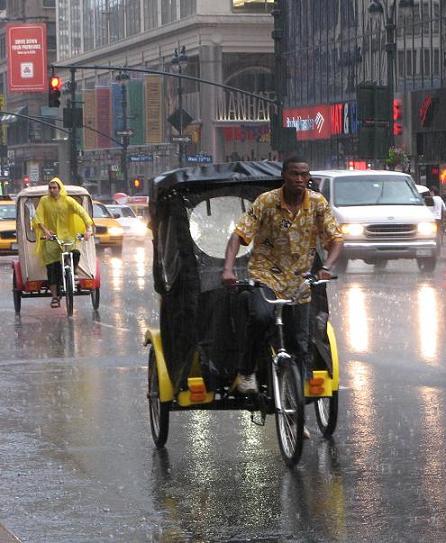
I felt the first drops of moisture as I emerged from Penn Station. By the time I reached my destination three blocks away, the skies had opened, sending rivers of rainwater running through the streets. Only then did I think of my umbrella, hanging dry and useless on the coatrack in my office.

I waited for a lull, snapped this photo and bolted back into the subway station, dodging raindrops the entire way.

Rain

Later in the evening, at the Makor party, I met several members involved in the volunteer programs, including AH who participates in the Sojourners Detention Center Visitor Project, visiting new immigrants being held in federal custody as they seek asylum in the United States. Upon learning that I’d grown up in New York City, AH immediately followed up with the inevitable, “Which high school?”… despite the fact that we were both obviously years out of high school, and presumably had gone on to other schools since. Then we laughed, jointly recognizing one of the peculiarities of interactions among city kids meeting for the first time.

Whitney's Full House preview

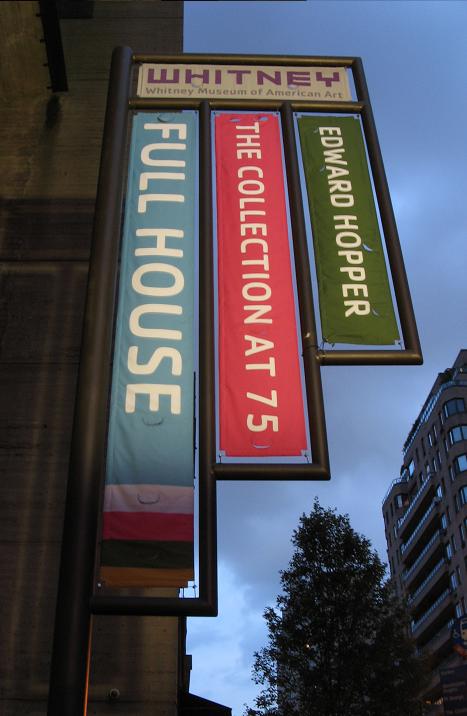
Attended the preview opening of “FULL HOUSE: Views of the Whitney’s Collection at 75” last night. I’d probably seen a good portion of what was on display in various forms (including pieces that were either identical or similar to ones I viewed at the Dia: Beacon last year). Probably enjoyed most the fifth floor Edward Hopper retrospective. On the way up in the elevator, I overheard some other patrons bemoaning the “ugliness” of the other exhibits. Citing a video installation of a woman twirling a barbed-wire hula hoop, one older gentleman sardonically remarked, “Ach, why? Life is hard enough!”

Indeed.

Whitney

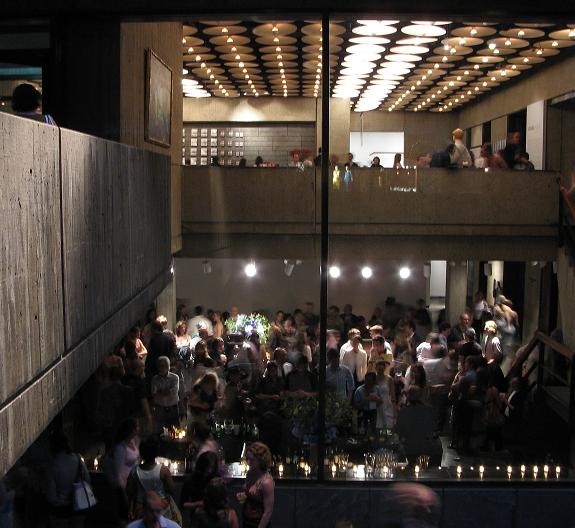
No photos allowed inside the galleries. This was the scene at the post-wine and cheese reception. The humidity and threat of rain seemed to keep most attendees inside. Also, perhaps, the museum’s decision not to set up bar stations on the patio this evening.

Whitney

On the roof

After the sale of some commercial space on the ground floor, R’s building recently added a few amenities to the already enviable roof deck, including a brand new, and rather massive, Viking grill, an ice maker and an outdoor shower. Although it wasn’t quite warm enough – or appropriate – for an al fresco rinse, given our relative inexperience with the grill, we were glad to have the water source so close at hand.

Most impressive (though not new) was the 360 degree view of lower Manhattan. The lit spire of the Empire State Building to the north disappeared into a hazy mist, casting a surreal glow over the panorama. I made mental note to tote my camera around more often for just such occasions.

As we sat down to our dinner of gazpacho, chipotle grilled corn salad and lamb/chicken/shrimp shish kabobs, the artist (and Moby cohort) Damian Loeb stopped by to remind us to dispose of our garbage when we were finished. Does it speak to a lack of sophistication that despite having lived in New York City almost my entire life, I still get a slight thrill out of seeing semi-famous people in such commonplace and unexpected situations?

More mundane matters

Back in New York City, and after my first full day of work, I took the subway home and promptly passed out, missing my film class. I awoke at 11:00pm, and then again at 4:00am and have been up ever since. So much for avoiding jet lag.

I did finish The History of Love, by Nicole Krauss, which I’d been meaning to read for a while and picked up on impulse at the Hong Kong International Airport on the way home on Sunday. Probably could have finished the book in transit, had I not slept through half of the trip.

Funny, sad and moving… though my reading may have been enhanced by my melancholy of late.

“Once upon a time there was a boy who loved a girl, and her laughter was a question he wanted to spend his whole life answering.” I like that.

Dinner party at RB’s in TriBeCa tonight — I’ve signed on to bring dessert. Had I planned better, I could have put my insomnia to use baking something appropriate, but as it is I’ll most likely just stop off on the way to pick up a fruit tart.

In transit

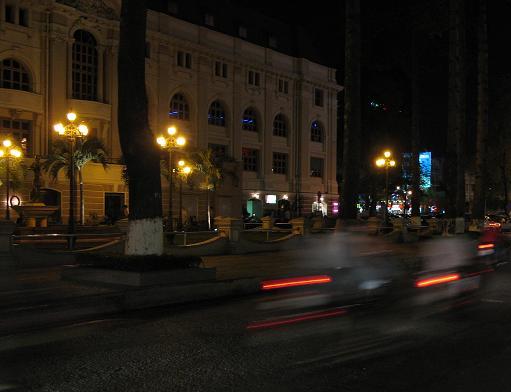
Leaving HCMC: view of City Hall:

Saigon at night
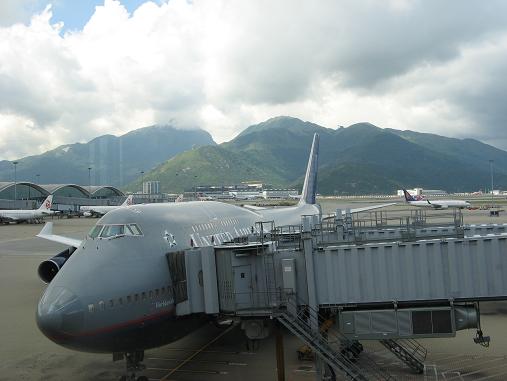
Stopover at the Hong Kong International Airport. It began to pour about fifteen minutes after I took this photo — the beginning of what would become a pattern for the rest of the trip. From San Francisco, my flight was delayed and then rerouted through Canada due to “weather” in the Midwestern United States. Incidentally, never understood the use of the term “weather” without an adjective; isn’t there always weather?:

HKIA

Home sweet home: 2 stopovers and just under 30 hours after leaving my hotel room in Saigon. Whew.

Good night, Saigon

Final day in Vietnam. Loose ends…

Ben Thanh Market is one of Ho Chi Minh’s most popular shopping destinations, having been in existence since the French occupation, and in its current location since 1899.

Locals and tourist alike congregate at this market near the center of town, especially on the weekends. Larger and somewhat more sanitized than Chinatown’s Binh Tay Market, which I visited on my first day in Saigon.

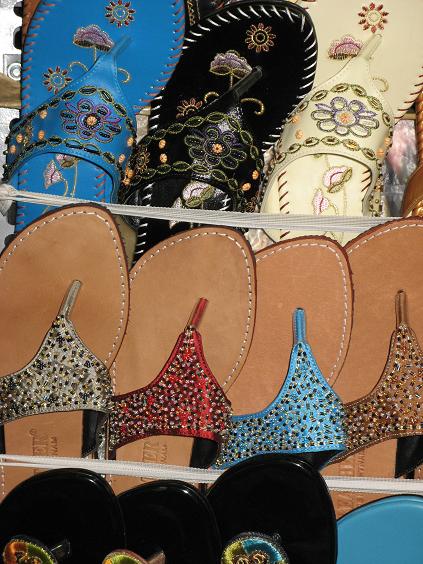
Slippers

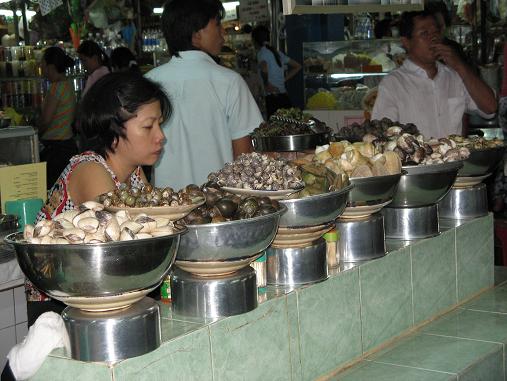
The market also features a pretty extensive food court with individual stands outfitted with plastic stools for customers — like an indoor collection of street food.

Food stall

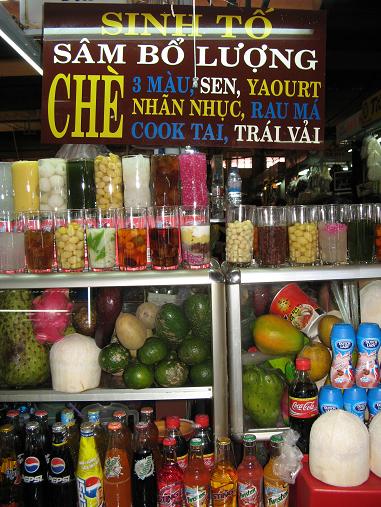
Sinh To is the ubiquitous Vietnamese fruit shake. The word is actually a Chinese language import, meaning “vitamin;” “vitamin” in Vietnamese is “vitamin”.

Sinh To

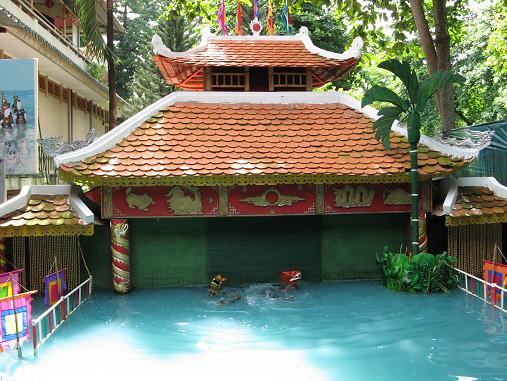
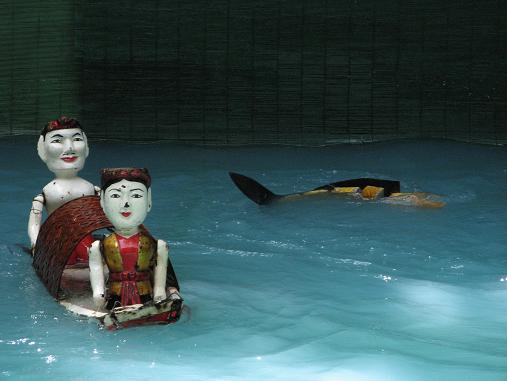
Taxicab ride to the History Museum for the afternoon water puppet show:

Water puppets Water puppets

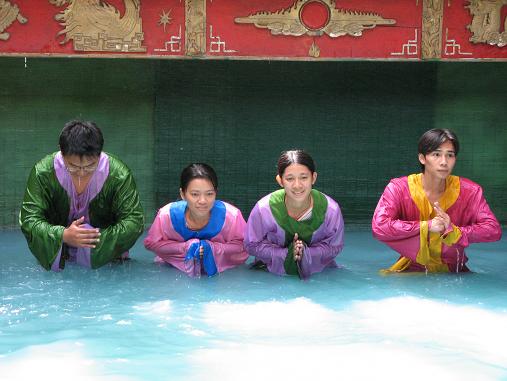
Puppetmasters take a bow:

Puppet performers

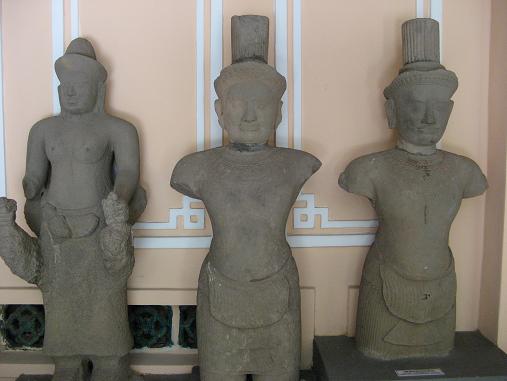
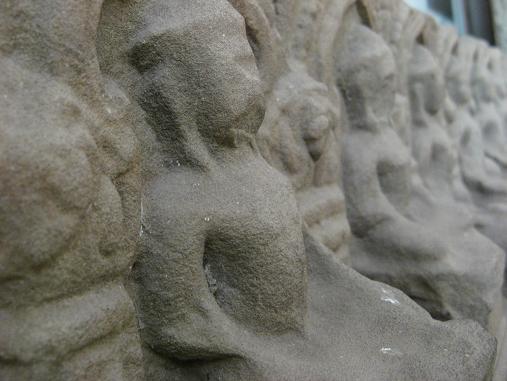
After the show, visited the museum’s other big draw: the Angkor Wat relics… um, Elgin Marbles, anyone?

Angkor Wat statues
Angkor Wat bas relief. As I won’t be making it out to Cambodia this trip, this small sampling will have to suffice for now.

bas relief

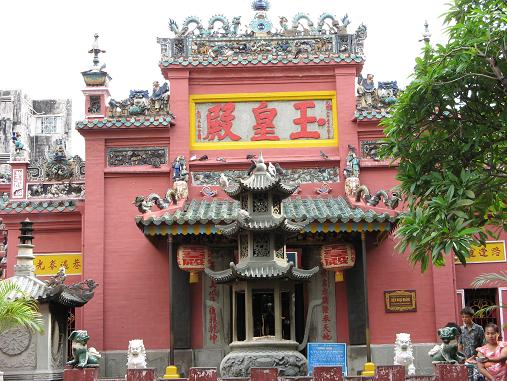
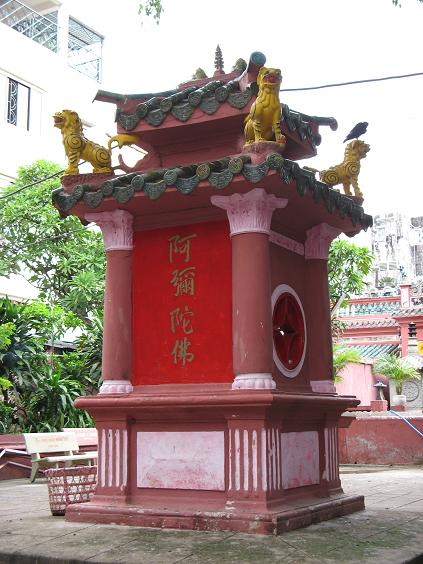
At the Jade Emperor Pagoda, built by the city’s Cantonese around the turn of the century:

Jade Emperor Pagoda

Jade Emperor Pagoda

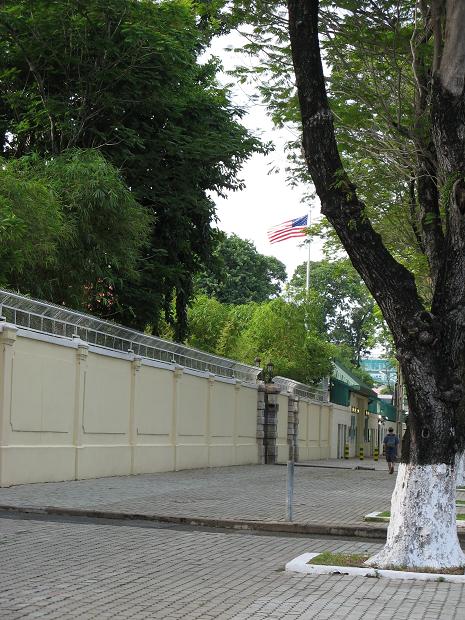
Continued my leisurely stroll around District 1. On the way, I passed the site of the American Embassy, now the U.S. Consulate. According to the guidebook, it is not the original gate or building through which the Viet Cong broke through during the Tet Offensive in 1968. Security around the complex is extremely tight, though, with armed guards posted every 20 feet or so. In fact it was the one place in all of Vietnam that I was expressly forbidden — twice — from snapping a photograph, and that includes museums and several houses of worship.

This was the closest I could manage — the guards were out of my line of vision, behind the tree:

American Embassy
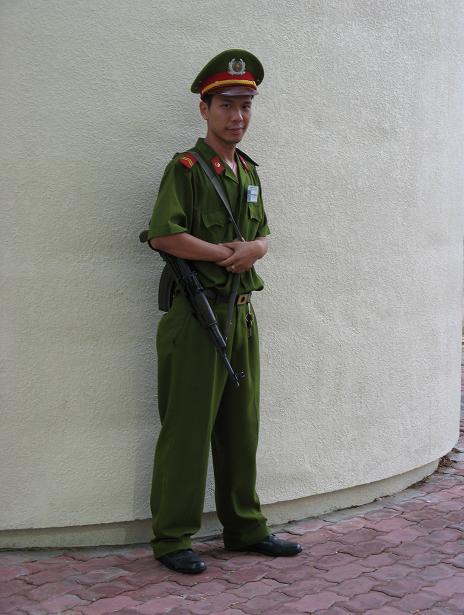
Though around the corner, I found one guard who was somewhat more obliging.
Guard

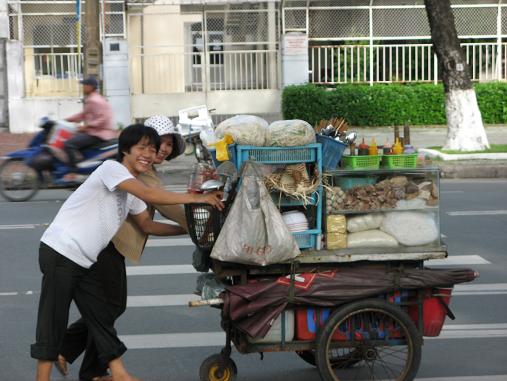
More street carts:

Food stand
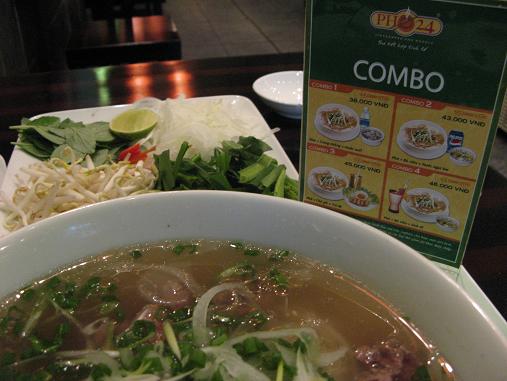
How could I leave Vietnam without sampling a bowl of pho?
Pho

Just a few more hours before I leave for NYC. Sleep or pack?

Pack.

Mekong Delta - Part II

The family hosting my homestay had raised seven children, all except the youngest two, ages 7 and 11 — though I would have guessed no more than 5 and 9, all grown; the couple had signed up with the program a couple of years ago to make use of the vacant bedrooms (and, I’m assuming, to supplement their farming income.) During my brief stay, I’d noticed many large families in Vietnam, particularly on the delta where every extra set of hands could be put to work. One guide later explained, also, that in a country with no social security system, extra children would ensure care in old age.

Although the accommodations were not luxurious by any stretch, the family was very welcoming and I could sense that their home was somewhat above average as compared to their neighbors. For one, they had electricity (only 60% of Mekong Delta homes do) and a television set broadcasting the World Cup.

Unfortunately, I soon discovered that my Hong Kong purchased insect repellant proved no match at all for the tenacious delta critters. As I sat down to a dinner of freshly grilled fish, spring rolls, fresh vegetables and rice, the mosquitoes enjoyed a hearty feast of me. Misery! I was forced to retire somewhat anti-socially soon after dinner to take refuge in bed under the mosquito net.

On related note, I should mention that the house was crawling with tiny geckos, which in themselves are not particularly objectionable, but when encountered unexpectedly — say… in the bathroom, eek! — can be quite disconcerting. My housemates, all of whom had been backpacking through Southeast Asia for the past several months, were completely unfazed by their presence and explained to me that as geckos eat mosquitoes, they were actually a welcome site. I suppose one could say the same about the small frog that hopped across the hall past my bedroom later that night.

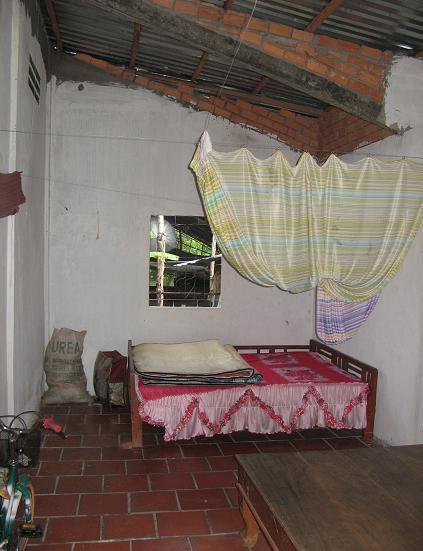
Homestay

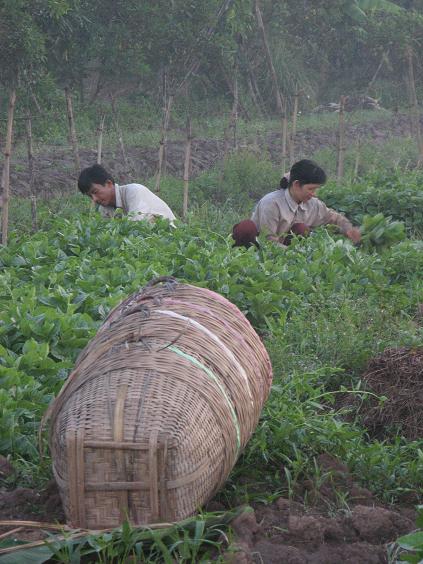
Wakeup call at 5:30AM to visit the family’s rice fields, where workers had been toiling already for an hour and a half under cover of mist.

Rice paddy

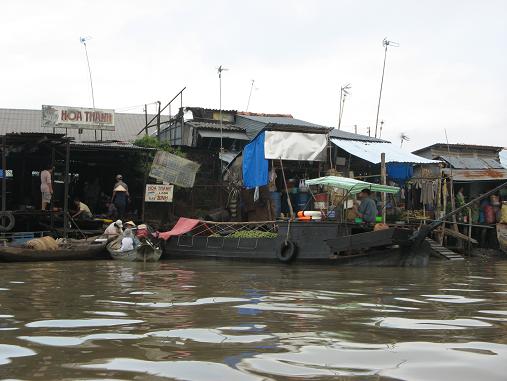
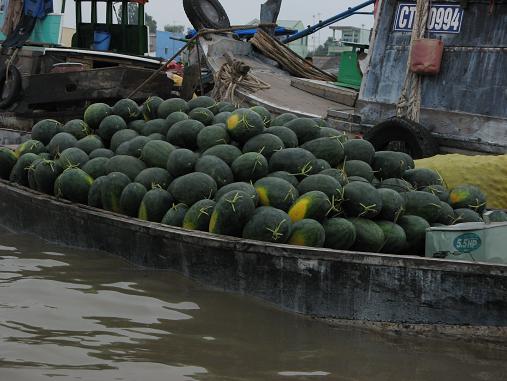
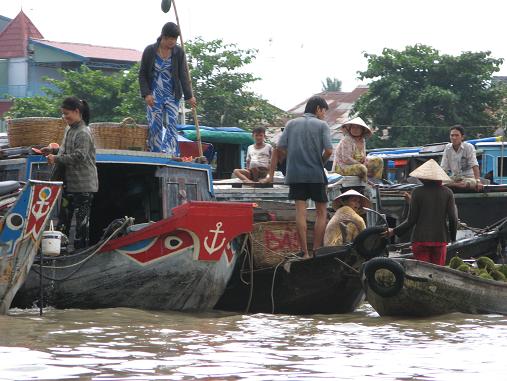
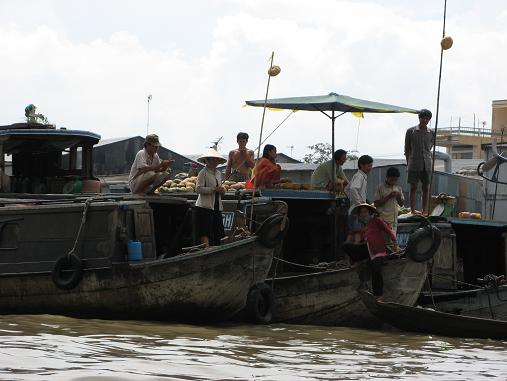
Then off to visit the famous floating markets of Can Tho. I’d seen one of these near Bangkok a couple of years ago, but this was an altogether different experience: much larger, and not a tourist offering in sight. By 7:30AM, Cai Rang Market was buzzing with locals, picking their way through all the fresh fruits and vegetables on offer.

Mekong Delta

Floating Market

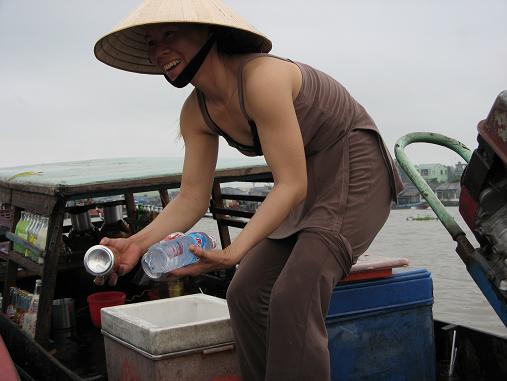
“Concession stand” — for tourists.

Floating Market

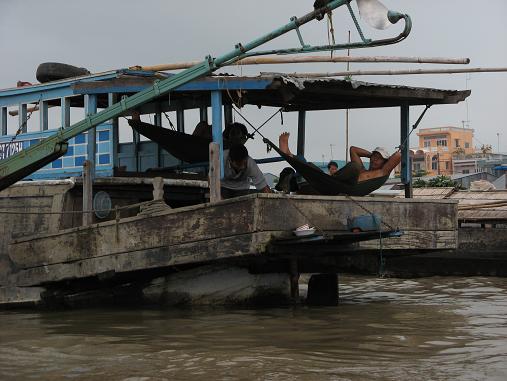
Having been up, in many cases, since before dawn, some stopped to take a break around 8:30AM as business slowed.

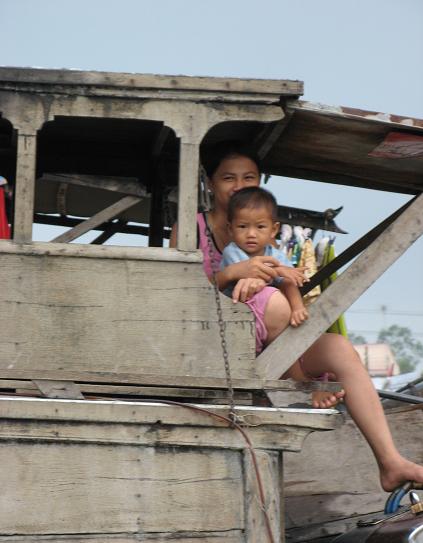
Delta life (3)

Delta life (4)

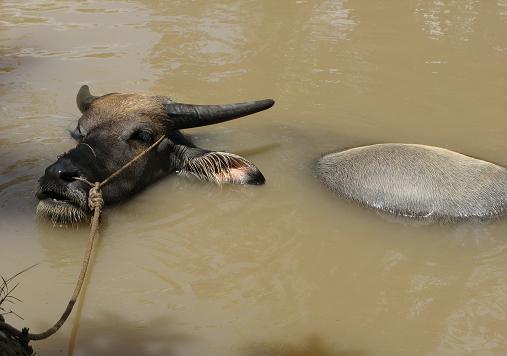
Water Buffalo

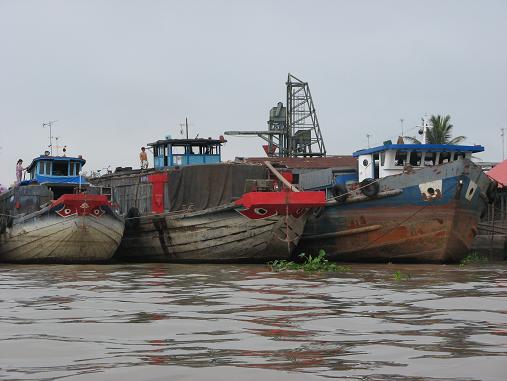
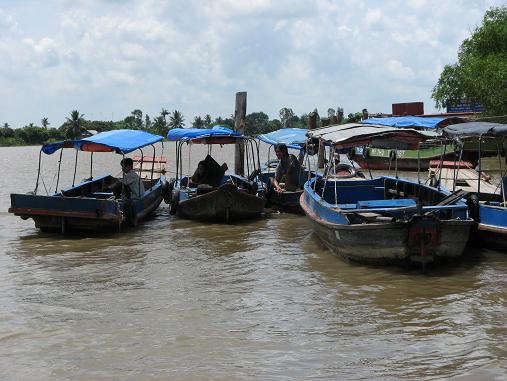
More local boats. The eyes painted on the prows are for ocean-faring vessels to see the boats’ way safely to sea.

Mekong Boats

Just as we arrived at the outer edges of Phong Dien floating market, about 12 miles southwest of the city center, the rain began… first as slight drizzle and within minutes, a downpour. The boat operator barely got the tarp up in time for us to avoid a soaking. Vendors scrambled for cover.

Rainy delta

Within 20 minutes, the skies cleared and it was back to business as usual.

After the rain

After the rain

After lunch and a quick tour around the Can Tho city center — rather nondescript — we started on the drive back to HCMC. But first, another town, another market. More of the same, though one display did catch my eye. Warning: not for the squeamish.

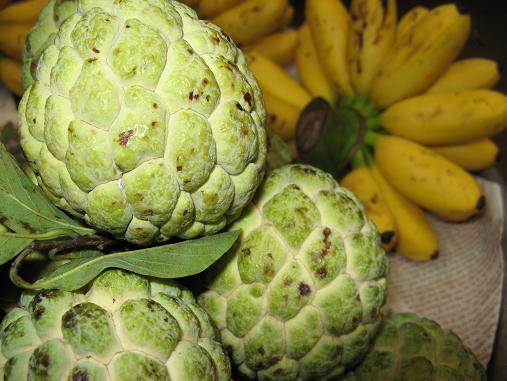
Custard apples — the Southeast Asian version of the cherimoya, though by some accounts, not quite as tasty. As I only know of one person who has sampled that fabled Andean fruit, I may have to try to smuggle one of these back to her for a taste comparison.

Custard apples

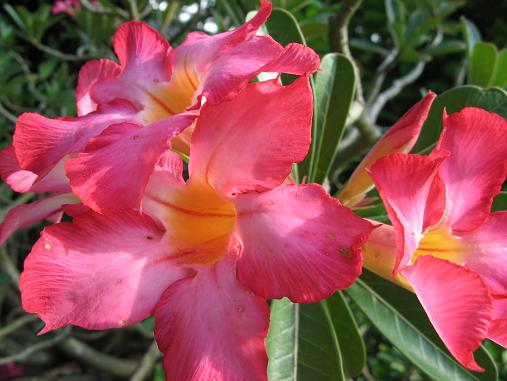
Stopping again in My Tho to visit the bonsai gardens:

Hibiscus

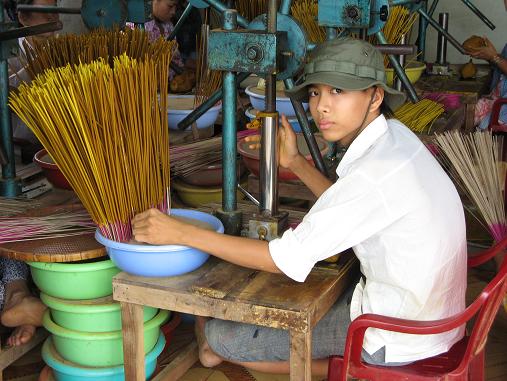
Mekong delta workers. At the incense factory, a half dozen employees sit in a stifling hot room and grind scented paste, which they then feed into the machines that stamp the incense onto the delicate sticks one by one, thousands of times a day. I would have thought that this entire process could have been mechanized entirely somehow, but apparently labor is inexpensive in Vietnam.

Incense factory

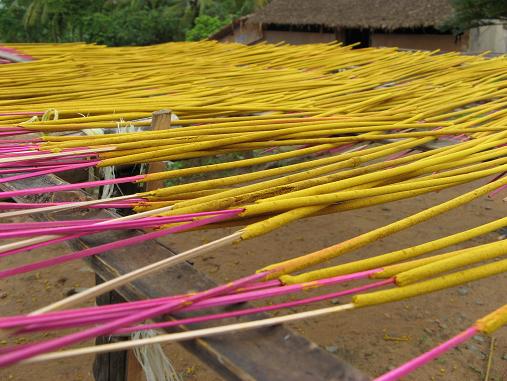
Incense sticks drying in the sun.

Incense

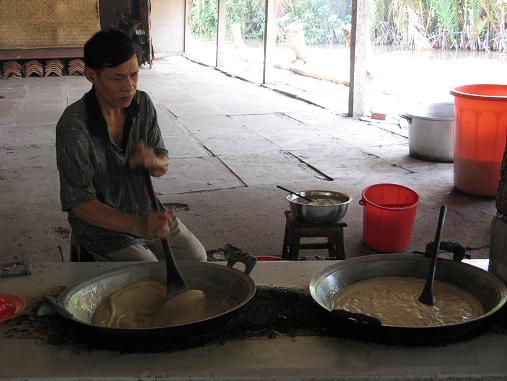
Making coconut candy from scratch — which I got to sample, yum.

Coconut candy maker

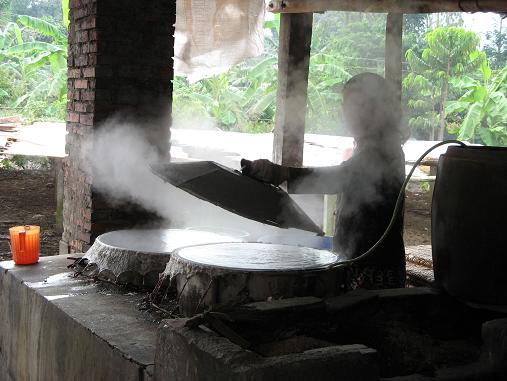
Steaming rice papers, to be cut up into noodles, or made into summer rolls:

Rice paper

Mekong Delta - Part I

Back in Saigon and exhausted, but time to catch up…

My Tho, capital of the Tien Giang province, is a typical entry point to the Mekong Delta for visitors from HCMC. Located just a 90 minutes’ drive away, the area is famous for its coconut palms and fruit orchards. I set out by minivan early Thursday morning for my two day tour of Vietnam’s rice bowl region.

Upon arrival in My Tho, I hopped a small ferry boat — the first of what would become several means of water transport — to putter around the area islets: Unicorn Island, Dragon Island, Phoenix Island and Tortoise Island. Boats of widely varying size, age and sophistication are the primary means of travel among the canals of the Mekong Delta.

To My Tho

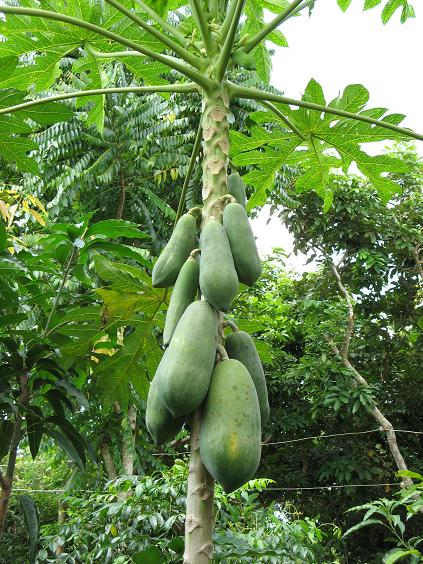
On Tortoise Island, I toured the abundant groves of fruit trees: Papaya…

Papayas

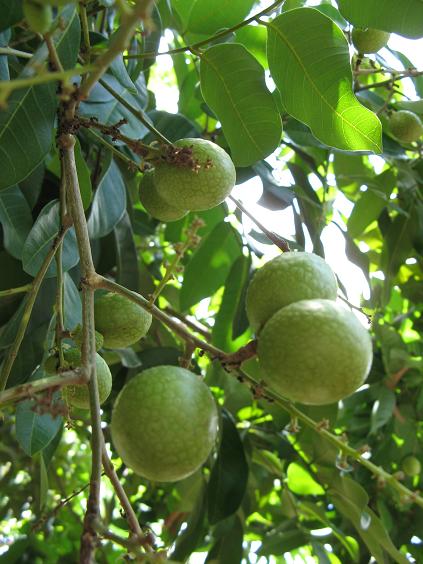
Longans… There are green and unripe. Later in the day, I came across a tree with ripened fruit and was able to pick directly from the branches for a tasty, but messy snack.

Longans

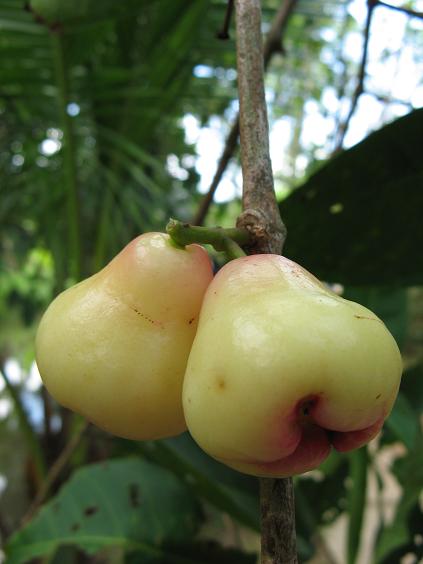
Water apples… Also unripe. I sampled these for the first time in Hong Kong. Refreshing.

Water Apples

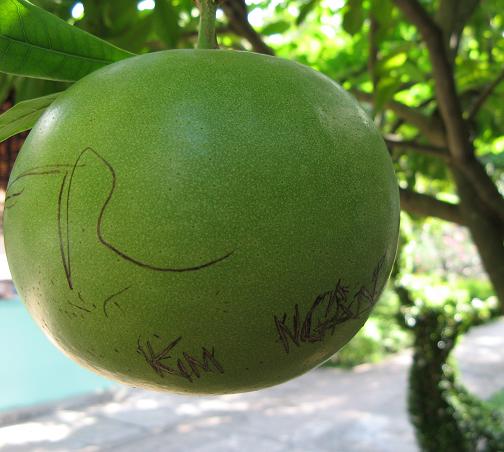
… and Pomelo, which we have in the U.S. Note the Vietnamese version of scratchitti on this one.

Pomelo

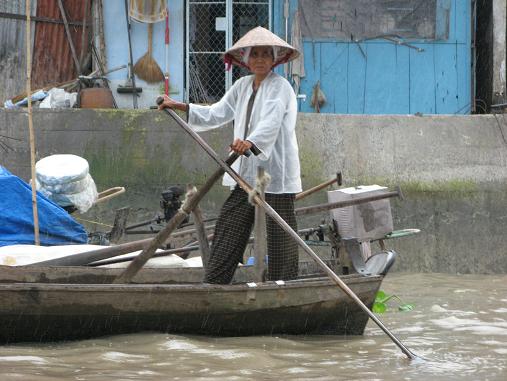
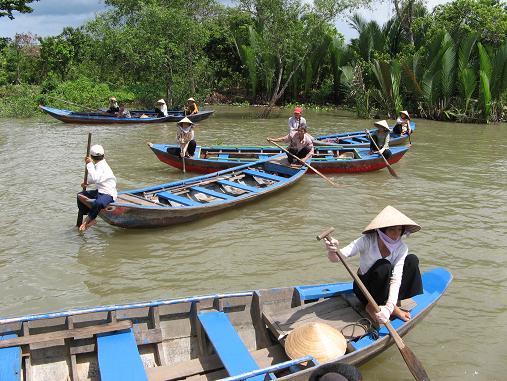
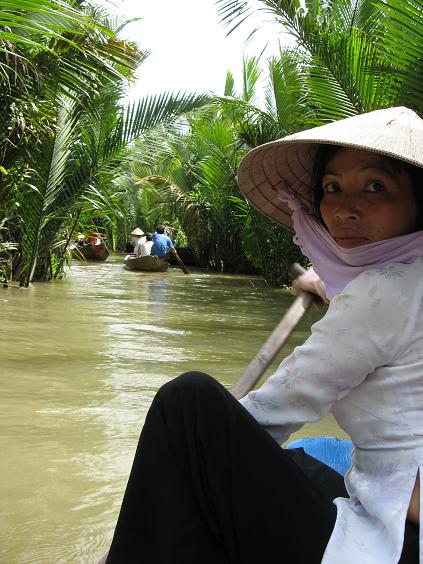
After the islands tour, I made my way to Ben Tre province. The system of canals is very narrow in segments, though, and motorized boats are not permitted through the coconut grove-lined water passages. Had to hire a rowboat, most of which seemed to be driven by petite local women. Looks are deceiving, though, and in pairs, these women impressively navigate their boats packed with hefty tourists through the twists and turns without hardly breaking a sweat. Quite a feat… I was drenched in perspiration and all I had to do was sit quietly (and snap these photos):

Mekong Boats

Through the Delta

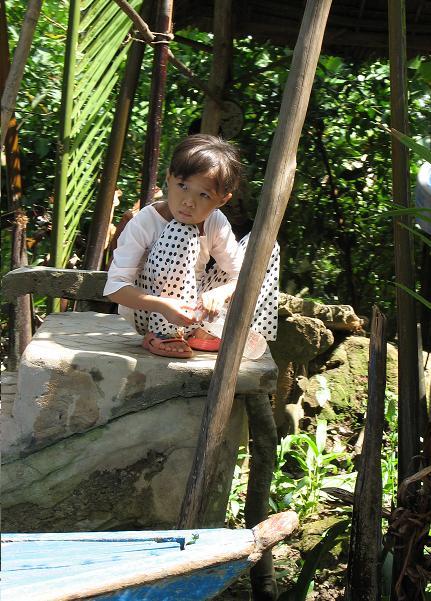
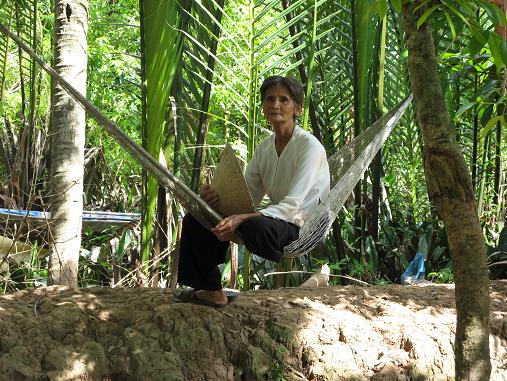
The waters may look filthy, but the murkiness is due to silt, not pollution. Other than the occasional leaves, branches and fruit peels, the passages were relatively free of debris. I observed many locals swimming, bathing (with clothes on — not unusual) and washing clothes along the banks. Modest private homes with sampans line the canal.

Delta life (1)

Delta life (2)

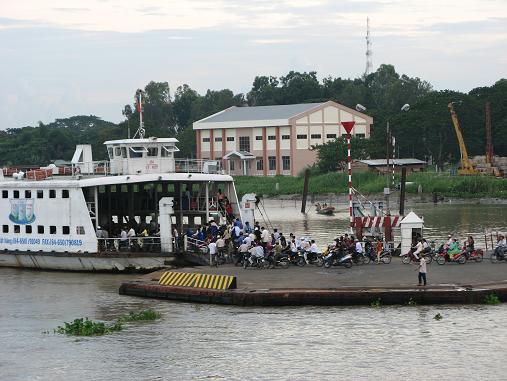
To Vinh Long. The large ferry transports passengers, cars, vans, and lots of motorbikes.
To Can Tho

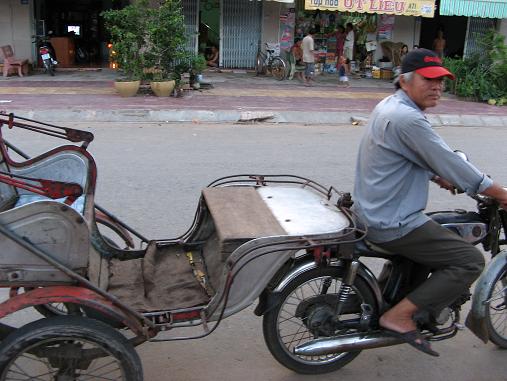
Then a two hour drive to Can Tho, the largest city and de facto capital of the Mekong Delta. I had arranged with four others to stay with a local rural family overnight, and was informed upon arrival in the city that their home was located about half an hour out of town, by road then water. My transportation to the canal:
Local transport

We were loaded up four(!) with luggage on this rickety contraption. Being the odd person out, I was offered the option of either squeezing onto the back, or hopping another motorbike alone. Neither choice seemed particularly less hazardous than the other, so I opted for safety in numbers. I was perched on the plank — no sides — riding backwards, over bumpy country roads and a bridge, clutching onto my bags and the sides for dear life. Needless to say, no photos of that segment of the journey.

Thankfully, the ride was just ten minutes long, and I arrived at the water’s edge safe and sound. The owner of the house and his two young daughters met us at the canal bank with the family’s motorized motorboat. For the next twenty-five minutes, we cruised leisurely through the waters, past several open fronted homes, and felt very far away from the city.

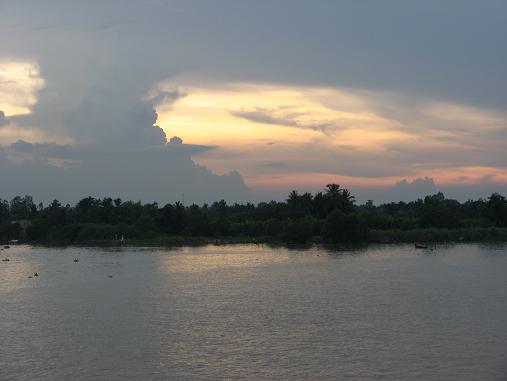
The delta at dusk:

Can Tho

War and Peace: Vietnam edition

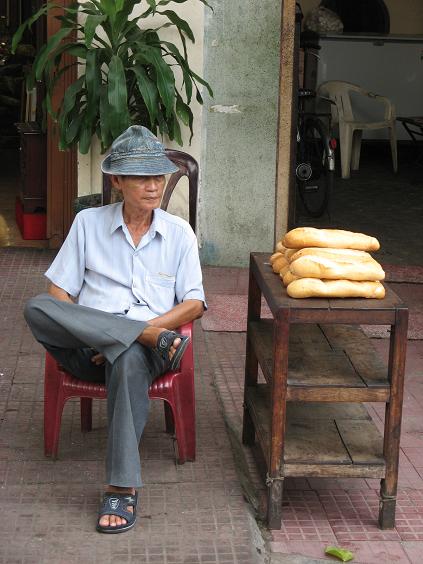
Today I booked a tour to visit two popular Ho Chi Minh City area sights: The Tay Ninh Holy See and The Cu Chi Tunnels. After an early breakfast at the hotel (same menu as yesterday), I had a few minutes to stroll the streets before meeting the tour bus. At 7:30AM, the streets of Saigon were already buzzing with assorted food and fruit hawkers. Here, a baguette vendor:

Baguettes

First stop: The Tay Ninh Holy See, home and main temple of the Cao Dai indigenous religion. Cao Dai was established in Vietnam in the 1920s; the religion combines the tenets of Buddhism, Christianity, Confucianism, Hinduism, Islam, Taoism and spirituality/ancestor worship.

Tay Ninh province is located approximately 60 miles north of Saigon — with traffic and on Vietnam’s roads (pocked by what locals refer to as “chicken holes” and “buffalo holes”), the drive took just over two and half hours.

Once there, the massive, riotously colorful temple was impossible to miss:
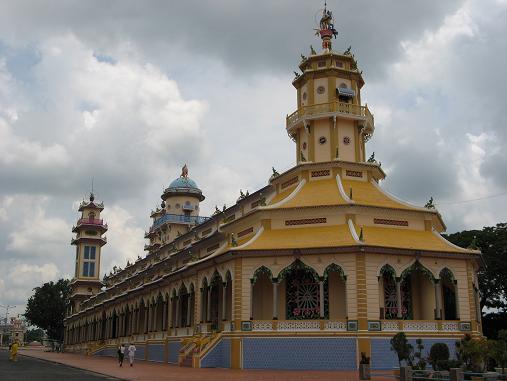
Tay Ninh Holy See

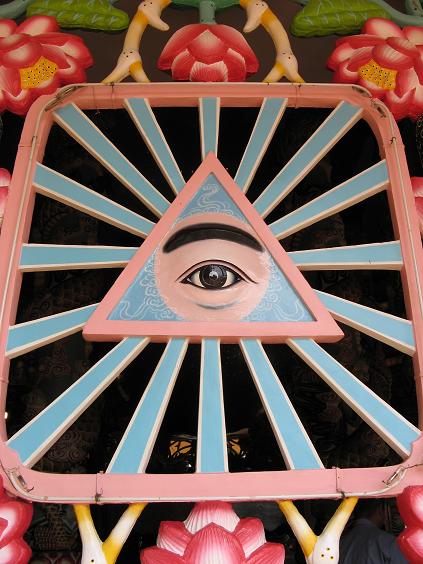
A common motif: The all-seeing eye, symbolizing God as He appeared in the first vision establishing the Cao Dai faith.

All seeing eye

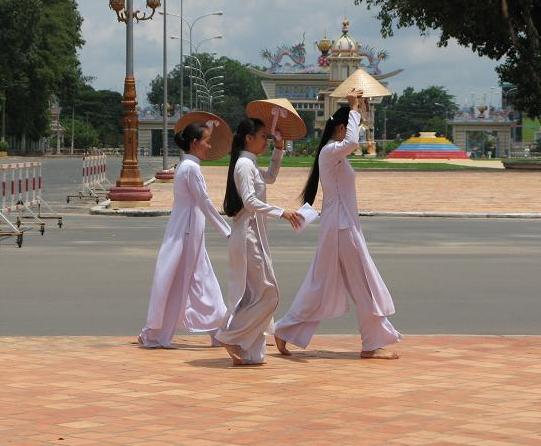
We arrived well in time to observe the noon ceremony, one of four held at the temple throughout the day. Women arrive in traditional ao dais:

To Temple

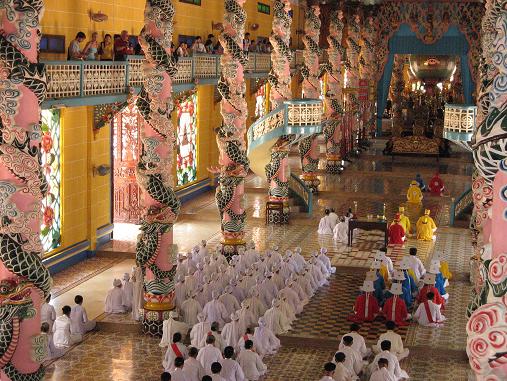
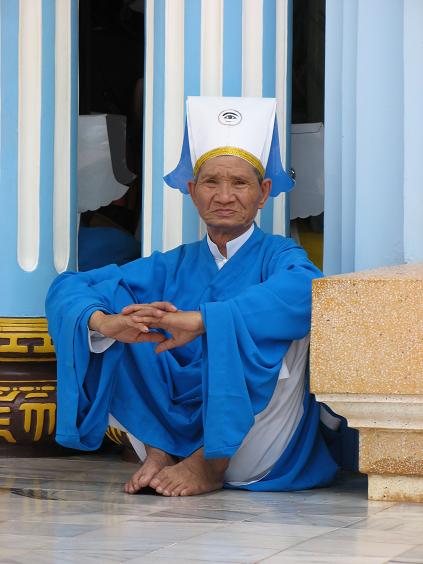
Worshippers attend services dressed entirely in white. Clergy dress in colors: red, blue or yellow robes and white hats, based on rank. No dress code for gawking tourists, who are invited in to observe quietly from the upper balconies.

Cao Dai clergy

At the doors of the temple. Men and women enter through different doors, and all are required to remove their shoes before passing through the gates.
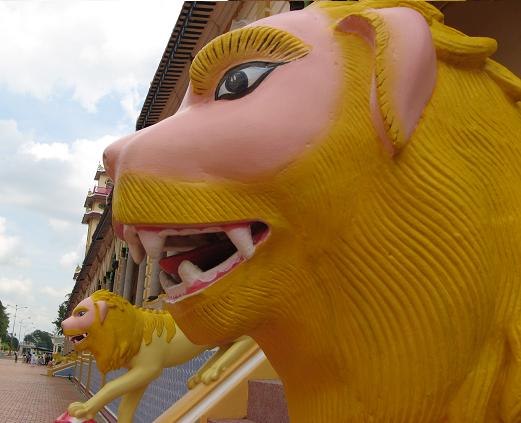
Tay Ninh Holy See

Inside the Tay Ninh Holy See:

Cao Dai service

Traditional music accompanies the service:
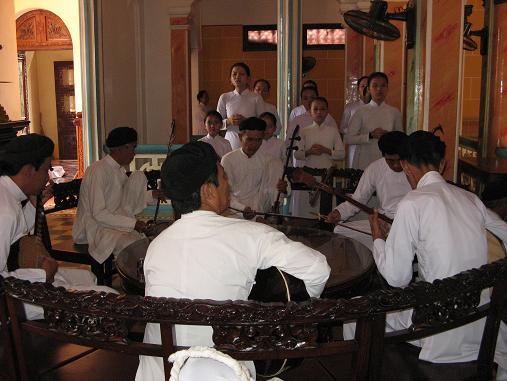
Cao Dai musicians

We slipped out halfway through the 40 minute ceremony, to make our way back south to the Cu Chi Tunnels.

The first segment of this famous underground network of tunnels was dug in the 1940s by the guerrila fighters of Cu Chi province during the fight against the French. The network was later expanded and used to great (and deadly) effect against the Americans two decades later. According to the official guide, the elaborate system consisted of 150 miles of tunnels and bunkers over three levels, outfitted with secret traps and connecting narrow routes to hidden shelters, local rivers and tunnels to the Cambodian border. Thousands lived below ground, for days or weeks at a time.

Upon entering the complex, we were ushered into a bleak, windowless room to sit through a short, scratchy, black and white propaganda film (c. 1967) on the history of the tunnels, celebrating the unmatched ingenuity of the guerrilla fighters and glorifying the “American-killing heroes.”

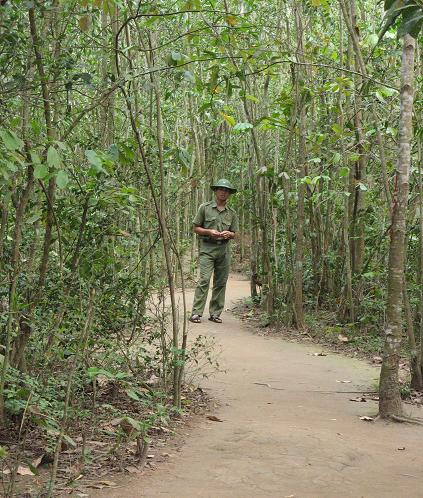
Young Cu Chi forest and guide. This area was completely defoliated by napalm in the 1960s and 1970s; trees only returned in the past couple of decades.

Cu Chi

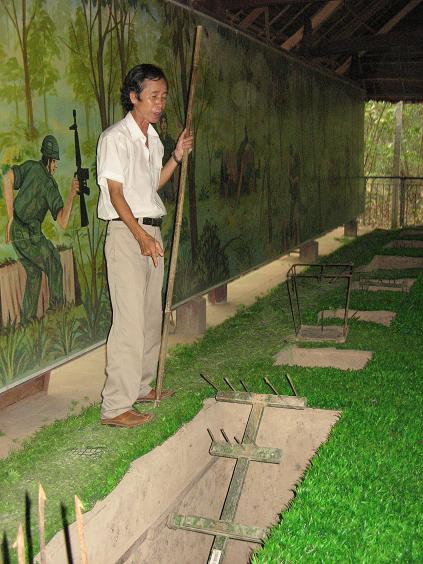
One of several exhibits of the rather barbaric traps used during the American war. The guerrilla fighters seem to have had a fondness for impaling (usually in pits, by metal spikes or sharpened bamboo sticks.) Informative, if touristy set-up. Other exhibits displayed a bombed out American tank and mannequins of uniformed guerrilla fighters in working/fighting poses.

Traps

Being one of the more popular sites around HCMC, there were other tour groups wandering the area at the same time I was there. I noticed that the information presented varied wildly, depending on the perspective of the guide: mine was a native South Vietnamese who supported the Americans during the war (and quietly voiced his suspicions regarding the accuracy of the “official” facts); another was a former VC soldier whose wartime job was to retrieve American corpses from the traps — a task he seemed to relish in the retelling.

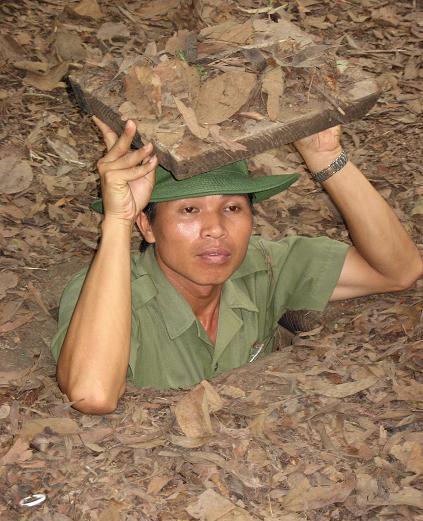
The highlight of the tour is the actual tunnels. The onsite guide showed a hidden tunnel entrance and demonstrated entry and exit through the tiny opening:

Cu Chi Tunnel

Most of the original tunnels have collapsed due to disuse and lack of maintenance, but about a hundred meters were reinforced (and generously widened) to allow tourists to crawl within. Once inside, the tunnel was dirty and narrow… and although one segment was dimly lit by lightbulbs, another was kept dark to demonstrate the original conditions inside. I’ve never been claustrophobic before, but at one point, on my hands and knees in the stifling heat and pitch black, heart pounding, I had an irrepressible urge to scream and/or scramble out as quickly as possible. Unfortunately, there was a bit of tourist gridlock, and I was forced to edge along at an excrutiatingly slow pace.
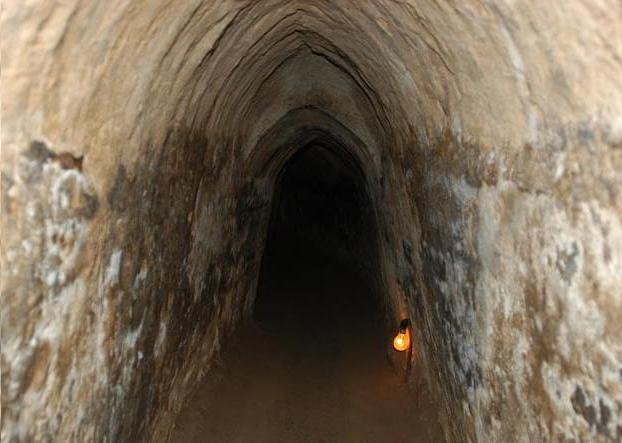
Cu Chi Tunnel

Never in my life been so glad to see daylight.

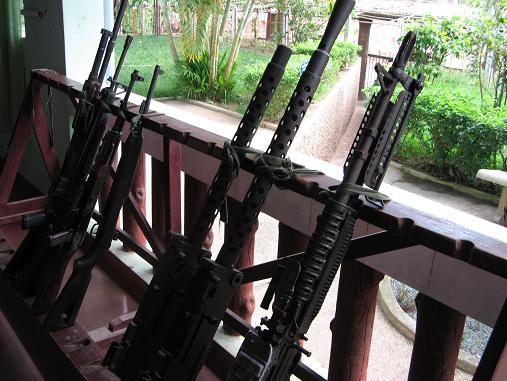
Unbelievably, one of the final stops was a shooting range where for $1.60 a bullet, anyone could sign up to fire the weapon of his/her choice. Although I don’t know under what circumstance I will again have the opportunity to fire an M-16 or AK-47, I passed.
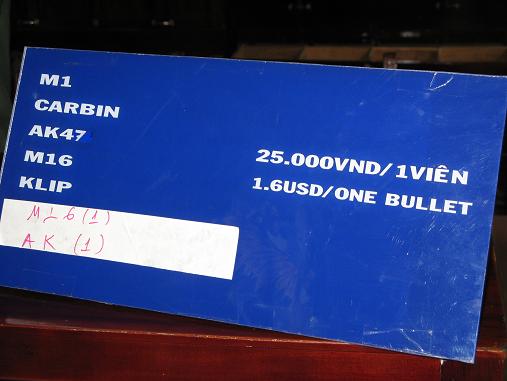
Price list

Arsenal

And of course, the requisite gift shop with such random offerings as bottles of snake rice wine — with actual snakes coiled inside:
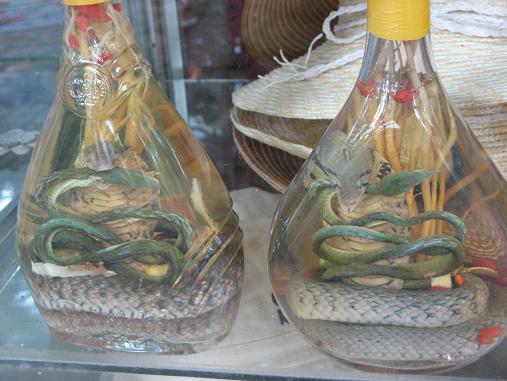
Snake wine

Evening rush hour as viewed from the front passenger seat of the tour van:
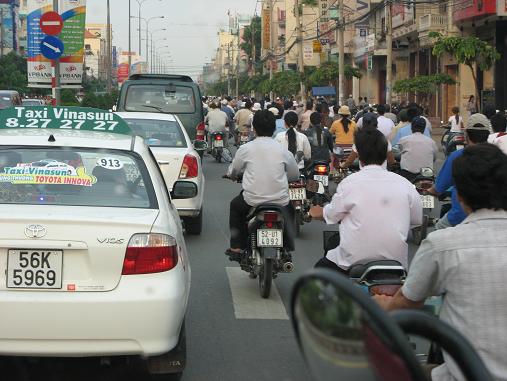
Road to Saigon

Sitting in traffic:

Traffic

After a desperately-needed shower to wash off the Cu Chi clay, I set off for a civilized dinner at Vietnam House down the block from the hotel on Dong Khoi Street. The restaurant is located inside a restored three-story French colonial home and features staff in traditional Vietnamese dress and live music performances on pipa and zheng:
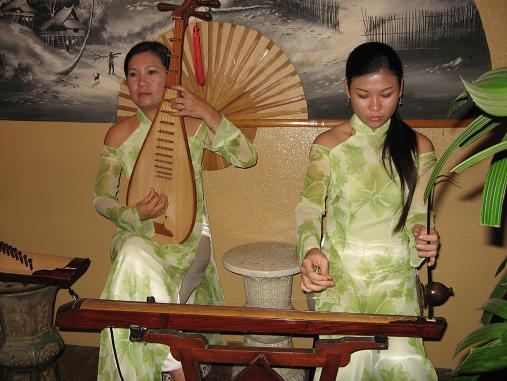
Musicians

Delicious.

Off the grid for the next two days while I tour the lower Mekong Delta. I’ve arranged a homestay with a local family in Can Tho, so hope to come back with some interesting village photos.
Saigon tour

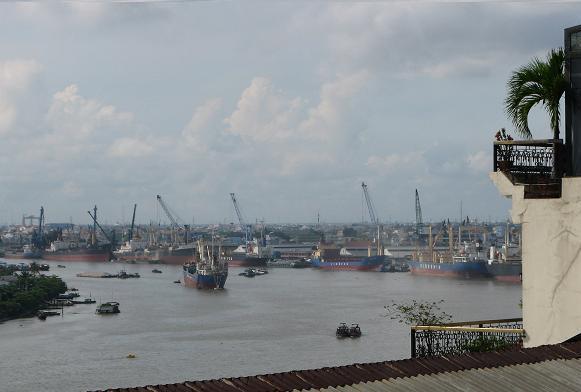
Got an early start my first full day in Vietnam. After deciding to forgo a group organized city tour, I took a traditional Vietnamese breakfast of rice noodles with fish sauce, spring rolls, and iced coffee at the hotel, and set out to explore on my own. First photo stop: view of the Saigon River, as seen from the rooftop bar of the Majestic Hotel, erected in 1925 and a fine example of Graham Greene-era glamour that once attracted guests like François Mitterrand and Catherine Deneuve:

Saigon River

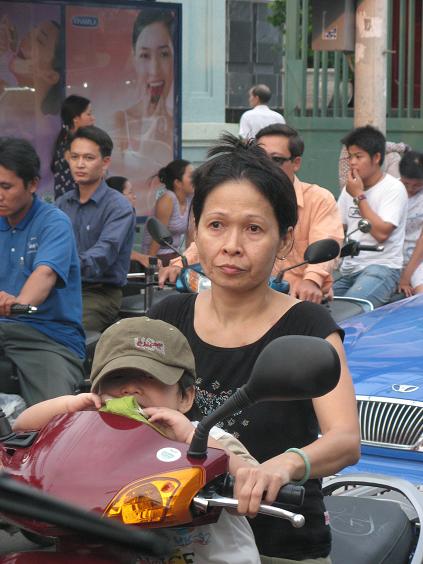
Along my stroll on Dong Khoi Street, known in French colonial days as Rue Catinat and once considered the most refined and fashionable stretch of road in Saigon, I was inundated with offers for private city tours. I opted to take in the sights from the vantage point of the locals, i.e., from the back of a Honda Om motorcycle. Ho Chi Minh City is swarming with “xe om” motorbike taxis, which outnumber cars by at least a three to one margin. That combined with the distinct shortage of discernable traffic lanes, traffic signals and crosswalks often makes just crossing the street a dicey proposition.
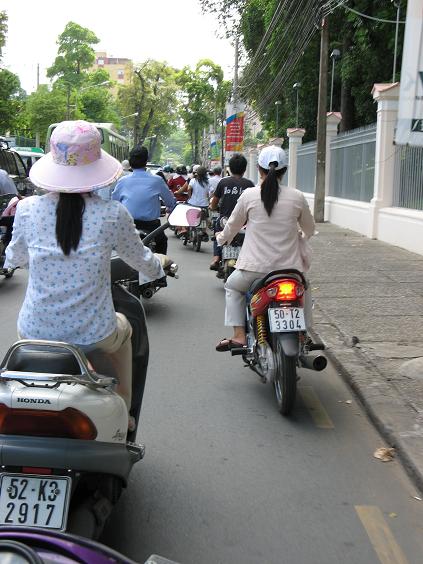
The view from my guide Hong’s purple xe om:

Honda View

I’ll admit that the ride was a bit nerve-wracking at first, but after a few minutes, I grew accustomed to the traffic weaving and startling proximity to other vehicles, large and small. Not a helmet in sight, by the way.

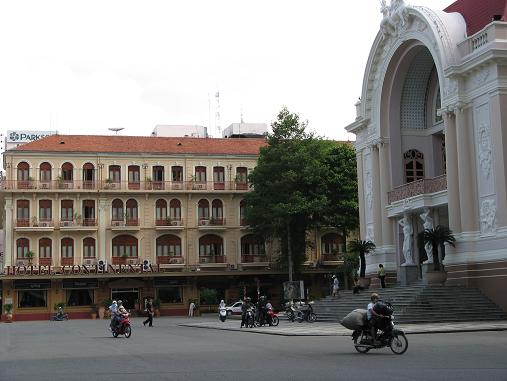
The Hotel Continental, for decades a gathering place for foreign journalists and another stop on “The Quiet American” tour. On the right, situated perpedicularly on Lam Son Square, is the French colonial-style Opera House:

Hotel Continental

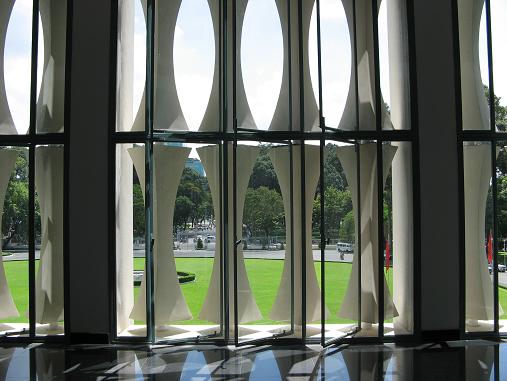
Inside the Reunification Palace, formerly known as the South Vietnamese Presidential Palace, or Independence Palace. One of the few pure examples of 1960s architecture in Ho Chi Minh City. A replica of the tank that crashed through the palace gates the day Saigon fell to the North is now parked outside.

Reunification Palace View

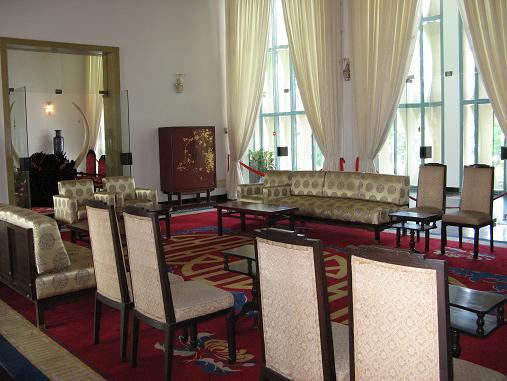
One of the many rooms I got to peek on the guided tour of the building. This one was used as a sitting room for visitors. Perhaps more interesting, though less visually striking, was the elaborate basement bomb shelter/bunker complete with map rooms, transmission rooms (outfitted with rotary phones and metal desks), and general purpose “war rooms”.

Palace Sitting Room

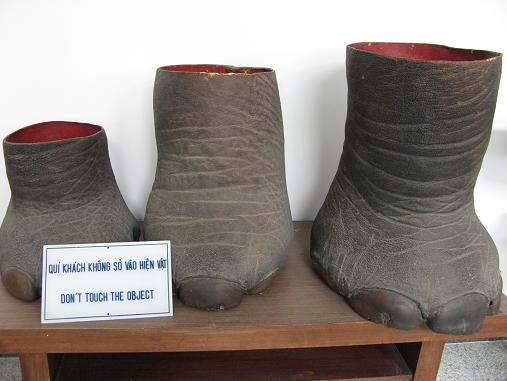
Presidential gifts. Yes, they’re real elephants’ feet:

Elephant Feet

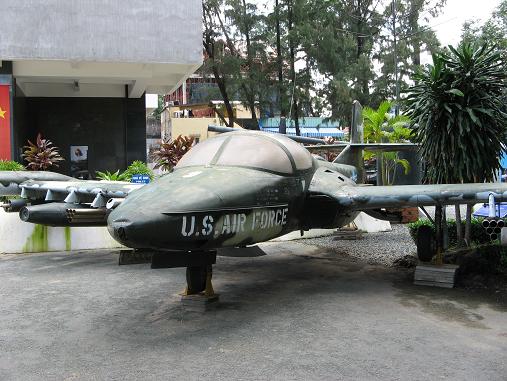
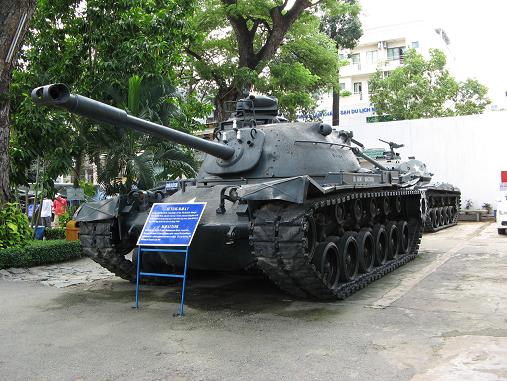
In front of the War Remnants (formerly War Crimes) Museum. Exhibits inside within were rather graphic in their depictions of American atrocities during the Vietnam War:

Air Force
Tanks

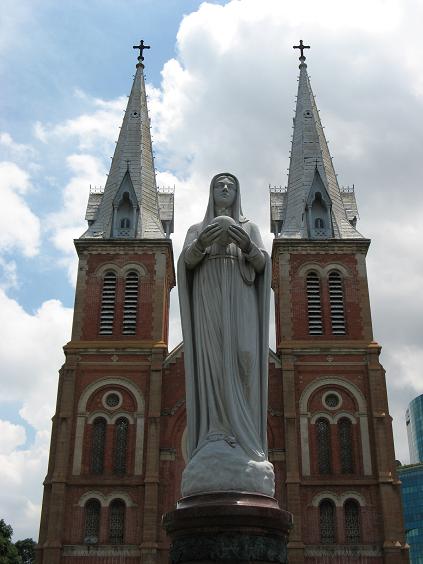
Notre Dame Cathedral:

Notre Dame

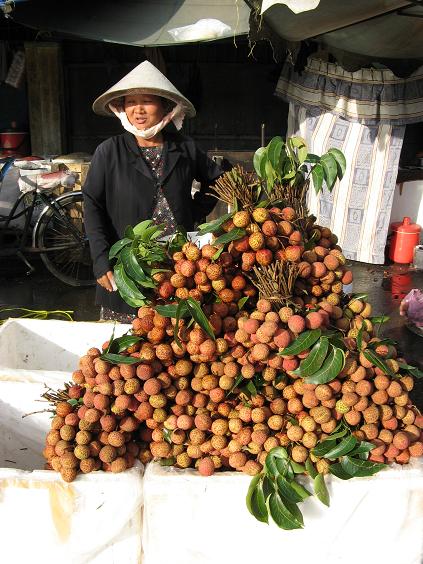
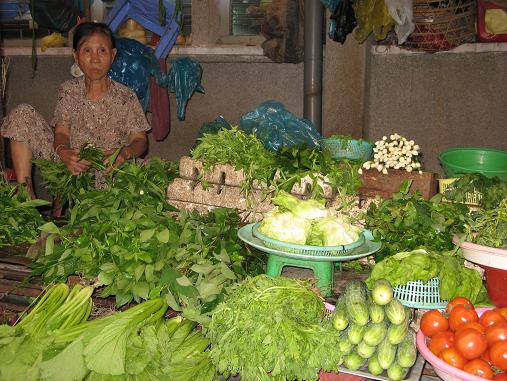
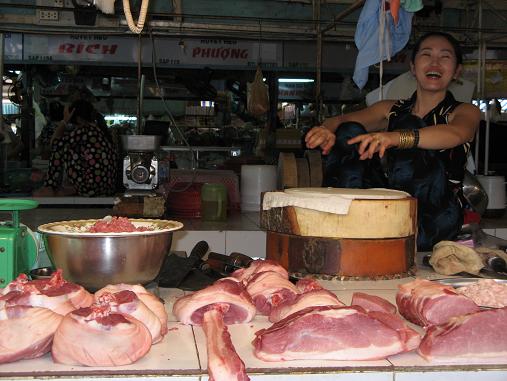
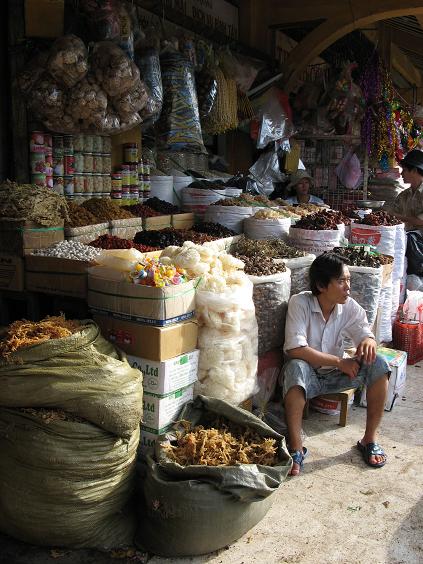
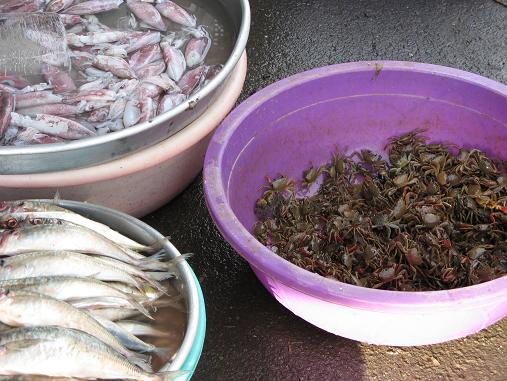
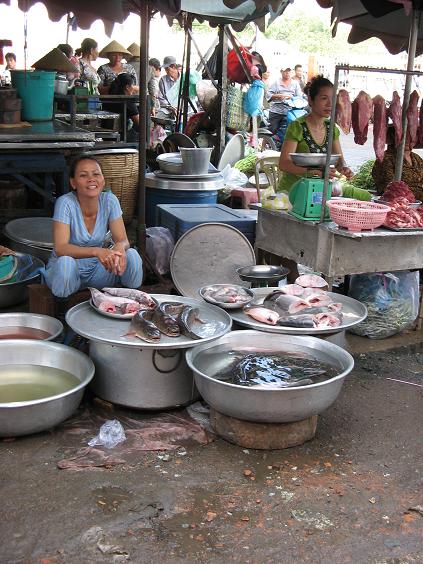
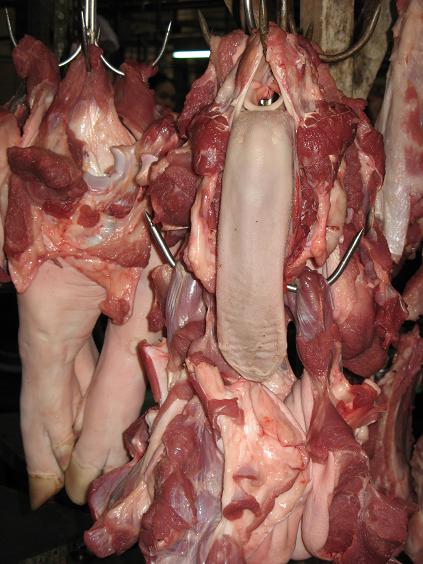
Midday showers brought my District 1 sightseeing to an end, so after a brief respite back at the hotel, I hopped a taxi (car, this time) to Cholon, Ho Chi Minh City’s Chinatown, about five kilometers west of the city center, but very different in feel. Chaotic jumbles of low-rise dilapidated buildings, narrow alleys and decidedly grittier streets, which may account for tourists appearing fewer and farther between.I asked to be dropped at Cholon’s famous Binh Tay Market. Inside the close aisles and jam-packed stalls was every variety of everyday goods, offering glimpses into modern Vietnamese life. And in the surrounding streets, stands and stands of dried goods, produce, meats, and seafood (many still squirming):

Market4

Market3

Market1

Market2

Market5

Market6